We are excited to present the new documentary “Pale Blue Dot,” which explores the profound connections among water, light, and life.
Featuring the founder of Aquaphotomics Prof. Roumiana Tsenkova, the Chief Priests of Tenkawa Shrine in Nara, and renowned physicist Haruo Saji, this film beautifully complements our work in uncovering the mysteries of water. Please join us in this cinematic journey that captures Earth’s delicate beauty and the pivotal role of water in sustaining life.
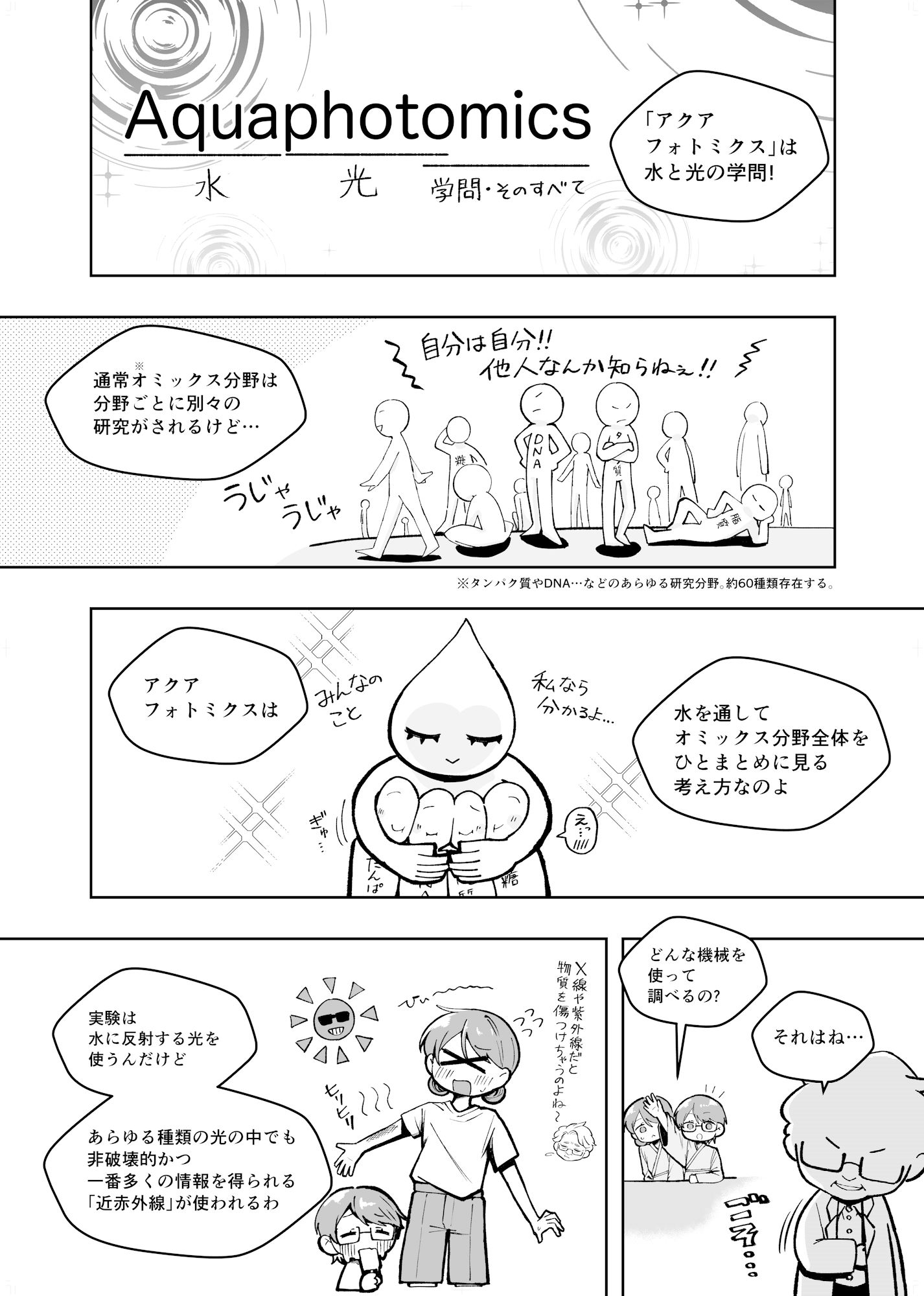
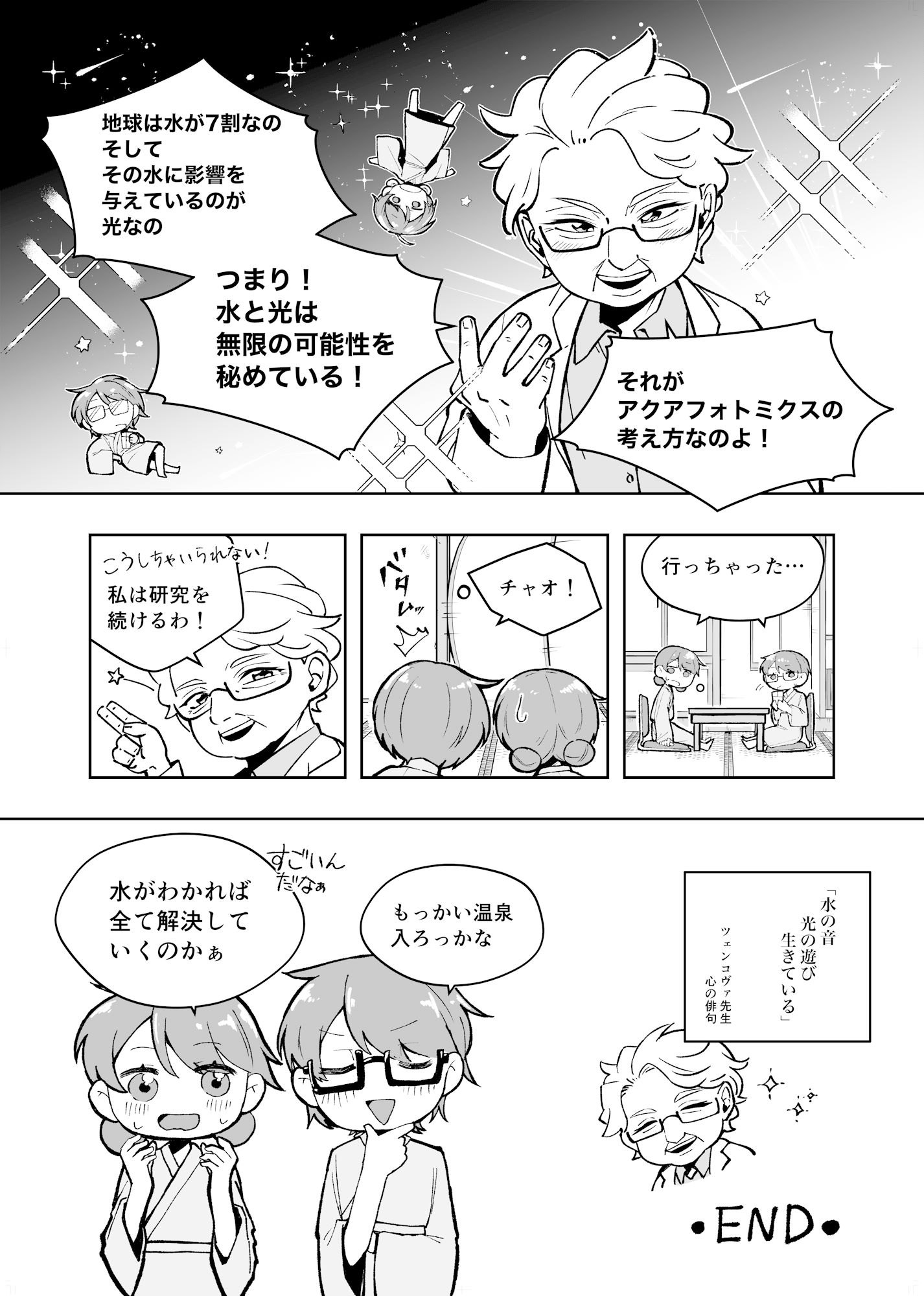
We had the pleasure of receiving a beautifully crafted Japanese comic that introduces the basics of Aquaphotomics in a visually engaging way. With permission from the artists, we are excited to share these pages with you. Below are the four pages of the comic. (Click to enlarge the images.)
What do you think of the comic? Feel free to share your thoughts or questions in the comments below. And don’t forget to share this post with others who might be interested in Aquaphotomics!
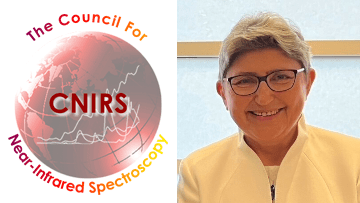
We are delighted to report that Professor Roumiana Tsenkova was awarded the Council for Near-Infrared Spectroscopy (CNIRS)’s Gerald Birth Award for 2024 in recognition of her exceptional contributions to the development of near-infrared spectroscopy (NIRS), particularly through her pioneering work on non-invasive disease diagnostics and as the founder of Aquaphotomics.
In 2005, Prof. R. Tsenkova proposed for the first time newly identified water absorbance bands and spectral patterns specific to biological and aqueous systems, and she introduced the concept of building a database, the Aquaphotome, to be used for diagnosis, quantification, and functional characterization at the system level. This work led to the discovery of the phenomenon of water acting as a collective mirror of matter and energy.
The award was conferred especially in recognition of Professor Tsenkova and her collaborators’ Aquaphotomics research on elucidating water activity in food.*1 The significance of this research lies in clarifying the correlation between absorbance in the water vapor bands and water activity, demonstrating the definition of water activity, and presenting water spectral patterns as a new dynamic multidimensional biomarker for food preservation.
The award ceremony was held at the International Diffuse Reflectance Conference at the University of Tennessee, USA, on August 1st, 2024, and the awardee presentation took place on July 31st, 2024. On the same day, Professor Tsenkova and Associate Professor Jelena Muncan served as session chairs for the Aquaphotomics session.
The Gerald S. Birth Award is a distinguished honor bestowed by the Council for Near-Infrared Spectroscopy (CNIRS) to recognize outstanding innovation in the fields of diffuse reflection or diffuse transmission spectroscopy. Established in memory of Dr. Gerald S. Birth, the founder of the International Diffuse Reflectance Conference (IDRC), this award celebrates significant advancements and contributions to the art and science of Near Infrared (NIR) spectroscopy.
Dr. Birth made notable contributions to the development of instrumentation technologies related to diffuse reflectance, and the award is conferred biennially to researchers whose work exemplifies groundbreaking progress in these areas. Eligible candidates are those conducting research in the visible, NIR, or mid-IR regions of diffuse reflection or transmission spectroscopy.
*1Malegori, C., Muncan, J., Mustorgi, E., Tsenkova, R. and Oliveri, P. Analysing the Water Spectral Pattern by Near-Infrared Spectroscopy and Chemometrics as a Dynamic Multidimensional Biomarker in Preservation: Rice Germ Storage Monitoring. Spectrochimica Acta Part A: Molecular and Biomolecular Spectroscopy (IF 4.4), p.120396, 2022. https://doi.org/10.1016/j.saa.2021.120396
We hope this message finds you well. We have an important update regarding our scheduled conference.
This year marks a significant milestone as we celebrate the 20th Anniversary of the announcement of Aquaphotomics. In honor of this occasion, we are thrilled to announce that the 5th Aquaphotomics International Conference has been rescheduled to May 2025 to align with these celebrations.
The open lecture and the Aquaphotomics school are set for May 17th, followed by the Aquaphotomics International Conference at Kobe University on the 18th and 19th. May 20st will serve as a travel day, with a study tour scheduled for the 21st. This strategic rescheduling aligns our event with the much-anticipated EXPO OSAKA 2025, providing a unique and comprehensive experience in Japan.
Aquaphotomics will be participating in the EXPO OSAKA 2025 exhibition in various ways, and we would like to offer a unique opportunity to our delegates to immerse themselves in a world-class cultural and technological expo, in addition to attending the conference. Such coordination will also allow international participants to make the most of their stay in Japan, minimizing travel constraints and maximizing cultural and professional enrichment.
We will continue to share updates through our website and direct communications. Please stay tuned for more information on the program, keynote speakers, and special events.
This decision opens up new avenues for collaboration, learning, and exploration at both our conference and EXPO OSAKA 2025. I would be grateful for your understanding and support on this matter.
Special thanks to Dr. Fuchs for his enlighting lecture! If you have any questions or comments, feel free to share them in the comments section of the YouTube video, and we’ll ensure they reach Dr. Fuchs.
Dear friends and colleagues,
This month we are delighted and honored to have Dr. Elmar C. Fuchs, a distinguished researcher specializing in experimental physics and physical chemistry of water as a speaker at our Aquaphotomics Spring Webinar.
Elmar C. Fuchs, Dipl.-Ing. Dr. techn., is a renowened scientist born in Austria, with an expertise in experimental physics and physical chemistry of water. Since September 2008 he is employed at Wetsus, the European Centre of Excellence for Sustainable Water Technology, where he has progressed from PostDoc to Theme Coordinator and Programme Manager, and currently heads the Wetsus Business Acquisition & Collaboration Team as part of the scientific management of Wetsus. He has over 50 peer-reviewed publications, and has been extensively involved in research and technology development at Wetsus. His work includes collaborations in laser laboratories, neutron scattering studies, NMR measurements and experimental approaches to quantum field theory of water. Contributions to the scientific literature are most diverse and include papers on microbial calcium carbonate precipitation, solar eclipses, liquid-liquid phase transitions in water, and studies of the dynamics of electrically confined water. He has received multiple awards, honours and recognitions of his works in international journals. Interesting, lesser known-facts about Dr. Fuchs is that he has many talents and interestes – he is fluent in German, English and Dutch, and has a basic knowledge of Italian and Latin. He is a great admirer of Japan and practices Asian martial arts iaido and kendo, enjoys artistic pursuits such as music, painting, photography, poetry and astronomy. You can even listen to his music on Spotify!
In this webinar, Dr. Fuchs will talk about the intriguing phenomenon of the floating water bridge.
When two beakers are filled with pure water and a DC voltage of 15-20kV is applied via two noble metal electrodes, a liquid bridge forms between these beakers. Electrohydrodynamics can be used to describe the liquid movements, and on the molecular scale, a liquid/liquid second-order phase transition takes place due to phonon coupling. Pure water electrolysis takes place and allows the production of non-stoichiometric, protonically charged water.
Another lesser-known fact about Dr. Fuchs is that when he published for the first time results of his research on the floating water bridge (The floating water bridge, Journal of Physics D: Applied Physics, 2007) in just two days, this paper got so much attention that he was overwhelmed with emails and phone calls from all around the world, and he was called to do an interview about it for Nature, the magazine.
Therefore, it is our special honor, pleasure and privilege that during this webinar, he will share his story about the floating water bridge and present his latest findings.
Please mark your calendars for the webinar on March 26th 5PM JST and be sure not to miss it. The webinar will be held, as usual, on the Zoom platform and is free for all who wish to attend. To register, please use the “Sign up” form provided below.
We look forward to your participation!
Aquaphotomics Spring Webinar – Schedule
Time & Date
Date: 2024/03/26 (Tuesday) Start: Japan Time (JST) 5:00 PM / CET 9AM / EST 3AM End: Japan Time (JST) 6:00 PM / CET 10AM / EST 4AM
JAXA stands for the Japan Aerospace Exploration Agency, Government research institution in Japan.
Our project for joint research with JAXA titled “Development of technology for monitoring the dynamics of water molecules under low and microgravity conditions”, which started in November last year, has been press released.
We are delighted to extend an invitation to the first aquaphotomics webinar of 2024! Join us as we host the distinguished Professor, Dr. Livio Giuliani, a renowned scientist in the field of water science.
Prof. Giuliani, having earned his doctorate cum laude in 1974 from Sapienza University of Rome’s Institute of Mathematics, brings a wealth of experience. Over the years, he held key roles, including Senior Researcher at ISPESL/INAIL (Italian Ministry of Health) and Chief of the Radiation and Ultrasounds Environmental Pollution Lab (1998-2014). Prof. Giuliani played a pivotal role in formulating exposure limits to electromagnetic fields (EMF), with his “ISPESL Proposal” adopted by the Italian Government in 1998 and now followed by 10 other countries in Europe. As a co-founder and spokesman of the International Commission for Electromagnetic Safety (ICEMS, www.icems.eu), he has contributed significantly to groundbreaking research on the effects of electromagnetic fields (EMFs).
Prof. Giuliani’s research work transitioned from an early focus on Ionizing Radiation dosimetry to EMF protection in 1997. Collaborations with Emilio Del Giudice and Mikhail Zhadin directed his attention to studying the behavior of aqueous solutions under Extremely Low Frequencies (ELFs), revealing the Ion Cyclotron Resonance (ICR) effect. The subsequent investigations, including studies with various researchers, unveiled the concurrent mechanism of protonation of water due to ICR of hydronium hydrates and the discovery of cations transport through floating water bridges. Since 2006, his research has exclusively focused on describing the effects of ICR on normal and cancer cells, and on bacteria, modulating antibiotic resistance. A significant outcome in 2022 was the publication of successful results from a clinical test, confirming the acupuncture theory proposed by Brizhik, Del Giudice, Maric, Oehler, Popp, and Schlecbusch.
Prof. Giuliani’s illustrious scientific career has played pivotal roles in regulatory advocacy and ground-breaking research in electromagnetism, specifically in unveiling the profound role that water plays. We are delighted to announce that he will be the one to open this year’s aquaphotomics webinar series.
Please mark this date and time in your calendars, and join us on 27th February, 5pm JST. To join the session, simply sign up for attendance using the provided “Sign Up” form. The event, as always, is free for all who wish to participate.
Don’t miss out on this enriching experience! Whether your expertise lies in water studies, aquaphotomics, or spectroscopy, Prof. Giuliani’s presentation is sure to captivate and inspire.
We look forward to seeing you!
Aquaphotomics Winter Webinar – Schedule
Time & Date
Date: 2024/02/27 (Tuesday) Start: Japan Time (JST) 5:00 PM / CET 9AM / EST 3AM End: Japan Time (JST) 6:00 PM / CET 10AM / EST 4AM
The 3rd Aquaphotomics European Conference, was this year organized collaboratively by the Italian Society of near-infrared Spectroscopy (SISNIR https://www.sisnir.org/ ) and The Aquaphotomics International Society and it took place in the majestic and timeless city of Rome, Italy.
Founded in Lodi on December 13, 2006, SISNIR today counts over 100 members. As one of the largest and most active NIR societies globally, its objectives include promoting scientific knowledge of NIRS, organizing events such as the biennial NIRITALIA Symposium, and supporting the active participation of young researchers in international conferences to enhance Italy’s contribution to the scientific community.
Figure 1. The 3rd Aquaphotomics European Conference, this year was held in Rome, Italy.
With the support of the Italian NIR community, the 3rd Aquaphotomics European Conference was a wonderful opportunity to reunite after enduring an extended period of travel restrictions and limited chances to meet. This gathering allowed us to reconnect with old friends and engage with the emerging generations of aquaphotomics researchers. Together, we embarked on a journey to appreciate the timeless beauty of the Roman city while indulging in the world’s finest pizza, savoring the most exquisite gelato, and engaging in delightful conversations over cups of a strong espresso.
The Conference extended for a duration of four days, commencing with the Summer School on Aquaphotomics held on September 1st and 2nd. This specialized training program was designed to acquaint researchers (most of them) in the field of NIR spectroscopy and chemometrics and some other fields with the fundamental aspects of this “omics” discipline.
The first day of school was opened by Prof. Dr Zoltan Kovacs, from Hungarian University of Agriculture and Life Sciences (MATE) in Budapest, Hungary. Prof. Kovacs began by delving into the current global and European developments in aquaphotomics, tracing its evolution since its inception by Prof. Dr Roumiana Tsenkova in Japan. He also shed light on its current fourth-generation advancements and discussed the manifold applications of aquaphotomics.
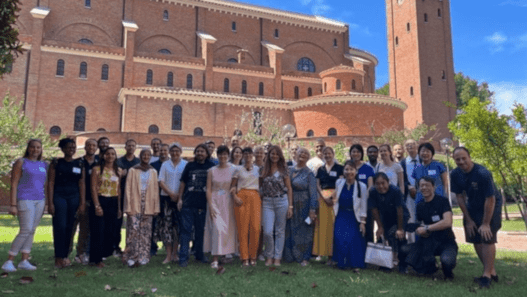
Figure 2. The 3rd Aquaphotomics European Conference was held at Casa la Salle, a historic former monastery nestled in the heart of Rome, from September 1st to 4th. The conference attracted 50 participants from approximately 10 different countries.
The central theme of the first day revolved around aquaphotomics applications, further expounded upon by Assistant Prof. Cristina Malegori from DIFAR University in Genoa, Italy. Her presentation, titled “Applications – Water is Everywhere,” unveiled numerous practical opportunities and imparted essential know-how in this field. Concluding the application-focused lectures, Dr John-Lewis Zinia Zakuu, Lecturer from Department of Food Science and Technology, Faculty of BioSciences, Kwame Nkrumah University of Science and Technology in Ghana, delivered a presentation on “Aquaphotomics in the Agro/Food Field.” Dr Zakuu exemplifies the “third generation” of aquaphotomics researchers, having pursued aquaphotomics during his doctoral studies under the guidance of Prof. Kovacs in Hungary, who himself was a post-doctoral fellow of Prof. R. Tsenkova. Dr. Zakuu returned to Ghana after completing his PhD and assumed the roles of Chairman of the Laboratory Committee and Assistant Exams Officer at the Department of Food Science and Technology, while simultaneously establishing his own aquaphotomics research group in Ghana.
Figure 3. The first session of the Aquaphotomics Summer School featured prominent figures in the field: Prof. Dr Zoltan Kovacs, Associate Prof. Cristina Malegori, and Lecturer Dr John-Lewis Zinia Zakuu. They provided invaluable insights into the current state of the art in the field of aquaphotomics and shared their rich experiences spanning a multitude of applications.
The second day of the workshop delved deeper into the chemistry and physics of water, focusing, also, on practical aspects related to experimental improvement and data analysis. Dr Antonella De Ninno, representing the ENEA (Italian National Agency for New Technologies, Energy, and Sustainable Economic Development), started the second day of the event with a lecture on the chemistry of water and water vibrational spectroscopy. Subsequently, Associate Prof. Jelena Muncan, from the Aquaphotomics Research Department in Kobe, Japan, provided insights into near-infrared spectroscopy and its pivotal role in the development of aquaphotomics. She offered practical guidance, drawing from her own experiences, including instrument selection, signal quality assessment, experimental procedures, and data analysis techniques tailored to aquaphotomics.
The subsequent two lectures built upon this foundation. Prof. Dr Federico Marini, a renowned expert from La Sapienza University in Rome, specializing in chemometrics and spectral data analysis, elucidated various data preprocessing strategies essential for aquaphotomics. He underscored the significance of recently developed preprocessing techniques designed specifically for addressing data analysis challenges in the field of aquaphotomics. The school concluded with a lecture by Bernhard Pollner MD, Consultant and Data Analyst, who introduced the ‘aquap2’ package, a specialized tool that he developed together with Prof. Kovacs at Kobe University for aquaphotomics data analysis within the R software environment. He effectively demonstrated the package’s capabilities with numerous examples and practical guides, emphasizing its customized features that not only accelerate the entire analysis process but also make it a pivotal tool in supporting the education of the aquaphotomics discipline.
Figure 4. Snippets from the second day of the Aquaphotomics Summer School. From left to right: Dr Antonella de Ninno, Assoc. Prof. Dr Jelena Muncan, Prof. Dr Federico Marini and Bernhard Pollner, MD, Consultant.
That same day, in the evening The Conference was officially opened by a lecture of Prof. Dr Roumiana Tsenkova. The lecture titled “Aquaphotomics – New Integrative Science, Technology and Educational Platform” spoke about her vision of aquaphotomics being a common platform for three important directions of development that include fundamental research aimed at discovering and explaining the phenomena related to water-light interaction, technological development that naturally is a consequences of harnessing the newly acquired knowledge, and lastly – a necessary and fundamental need to share this new knowledge not only within the scientific community, but making it available to everyone and hopefully exert the influence on the societal values and future social trends.
She also shared some intriguing new insights that have recently captured her attention, exploring the fascinating intersection of quantum phenomena and the role of water in consciousness. She highlighted the emergence of “laser-like” and “hologram-like” phenomena arising from the unique properties of water and within microtubules as an example. Prof. Tsenkova emphasized that aquaphotomics extends beyond being merely a field of science, technology, and education—it’s more of a “way of living.” She introduced her Japanese translation of the name “Aquaphotomics” as “Mi-Kou-Do,” where “Mi” means water, “Kou” means light and “Do” means the Way which roughly translates to “The road of Water and Light”.
Figure 5. Official opening of the Conference by a lecture of the aquaphotomics founder Prof. Dr Roumiana Tsenkova.
Over the next two days, the conference featured two keynote lectures, ten oral presentations and a poster session.
The first keynote lecture was delivered by Dr Tiziana Cattaneo, from CREA in Italy, a Research Center for Engineering and Food Transformation, the Department in Milan. Dr Cattaneo is widely regarded as a pioneer and veteran in the field of aquaphotomics. During her presentation, she eloquently traced her research journey, starting from her earliest experiences with aquaphotomics and highlighting numerous developmental milestones that her research group has contributed to over the years.
Figure 6. Faces of aquaphotomics – snippets of speakers at the 3rd European Aquaphotomics Conference
She is an exemplary aquaphotomics researcher who has made significant contributions to the field, not only advancing aquaphotomics as a science and technology with profound implications for food production and quality control practices, but also serving as a dedicated educator. Her unwavering efforts over the years have played a pivotal role in shaping the minds and honing the skills of new generations of researchers in Italy.
Among her recent accomplishments is her doctoral thesis titled “Non-destructive Spectroscopic Technology Applied to Sustainable Food Transformation Processes for Monitoring the Horticultural Supply Chain.” In this thesis, she demonstrated the integration of aquaphotomics with cloud services, resulting in the creation of an innovative “Aquacontrol” platform—a cloud-based database that empowers users to assess and monitor the quality of food products efficiently.
The second keynote lecture was delivered by Dr Livio Giuliani, representing the European Cancer and Environment Research Center in Brussels. His lecture, titled “Exposure of iPSC-Cardiomyocytes to Ca2+-ICR Modulates Gene Expression According to Maturation Pathways,” presented compelling evidence of the up and down-regulation of genes in response to cyclotronic resonance of calcium. Dr Giuliani provided a groundbreaking explanation for this phenomenon, based on the concept of “non-ionizing” radiation effectively ionizing water. This ionization process leads to the formation of coherent water domains with the requisite energy to drive biochemical reactions within cells.
The conference featured also presentations by Assoc. Prof. Dr Jelena Muncan from Japan and Prof. Dr Stefka Atanassova from Bulgaria, both of which could be called long-time experts in aquaphotomics. Prof. Muncan talked about her work on Aquaphotome mapping – a systematic endeavor spanning over two decades aimed at synthesizing the knowledge amassed in the discovery of water absorbance bands in the near-infrared region. She highlighted significant progress, particularly in the first overtone region, where the work is nearing completion. Prof. Muncan underscored the importance of not only assigning specific bands but also elucidating water functionality described by its absorbance at those bands, in terms of the energy available for particular molecular structures to fulfill specific roles within aqueous systems.
On the other hand, Prof. Atanassova discussed her research on diagnosing water stress in maize plants. Notably, her experimental approach involved two distinct maize lines: one exhibiting normal resistance to water stress and the other, a mutant inbred line characterized by exceptionally high drought tolerance. Her findings provided valuable insights into the water species responsible for plants’ ability to combat water stress, marking a significant contribution to our understanding of maize plants in this context.
The conference saw the inclusion of several newcomers to the field of aquaphotomics research, contributing to both practical and fundamental research aspects. Dr Ermal Nikollari from Sapienza University in Rome presented intriguing findings regarding the two-fluid behavior of water. This phenomenon was observed through the dielectric response of liquid water and four types of ionic-aqueous solutions. Dr Nikollari’s research combined THz-data with ATR-FTIR spectroscopy, and one of the highlights of his presentation was the “two-population model” for liquid water. This model departed from the conventional “two states” concept, emphasizing the diverse range of water species within these two populations.
Another newcomer to the aquaphotomics emerged from Slovenia: Associate Prof. Cerar Janez, from the University of Ljubljana. Prof. Janez’s recent exploration of aquaphotomics, in collaboration with Prof. Kovacs from Hungary, centered on gaining a deeper understanding of aqueous solutions of inorganic ions and polyelectrolytes. His lecture pointed out numerous unresolved issues within such systems, with a particular focus on the behavior of the isosbestic point. Prof. Janez proposed solutions through the application of water content correction factors, showcasing a fresh approach with promising insights and solutions.
A relatively new researcher from Keio University, Japan, brought forth an intriguing topic: the application of aquaphotomics to investigate and understand the mechanism of action of glutathione, a vital antioxidant in living systems. His research delved into the differences between GSH and GSSG, the reduced and oxidized forms of glutathione, whose ratio serves as a key indicator of oxidative stress and cellular health. His findings highlighted the distinct water spectral pattern associated with the antioxidant properties of reduced glutathione (GSH), marked by the presence of water hydration shells—the type of water interacting with charged species. This suggested that these water species might carry the functionality of antioxidant properties.
An intriguing and encouraging highlight of this year’s European Conference was the substantial involvement of young researchers. Remarkably, half of the ten oral presentations were delivered by these budding scholars, highlighting the robust growth of the next generation of aquaphotomics researchers in Italy and Hungary. Despite their youth, these presenters exhibited exceptional maturity, robust research capabilities, curiosity, and a willingness to address complex and challenging topics head-on.
Silvia Grassi, from the University of Milan, conducted a pioneering exploration of aquaphotomics in the context of monitoring ice formation in meat super-chilling—a previously uncharted domain. Her talk revealed that aquaphotomics can serve as a non-destructive tool for observing phase transitions. This feature holds particular promise not only for the food industry but also for the pharmaceutical and medical fields. The non-destructive nature of this approach presents a substantial potential to replace traditional thermal methods like differential scanning calorimetry. Furthermore, it offers a deeper understanding of the molecular structure of water during such processes. Another outstanding young researcher, from the University of Genoa, Italy, Sara Gariglio, showcased her pioneering work in employing NIR hyperspectral imaging and aquaphotomics to study nonvascular epiphytic communities during dehydration. Sara’s research shed light on the intriguing dehydration and water-holding behaviors of lichens and bryophytes, organisms with significant implications for microclimates. Her focus on the study of dehydration and drought-resistant organisms, capable of anhydrobiosis, emerged as a robust research direction within the aquaphotomics field. Both Silvia and Sara made a lasting impact on the audience through their exceptional strong presence and communication skills, innovative thinking, enthusiasm, and unwavering determination to address significant challenges in their research endeavors.
Flora Vitalis, from MATE in Hungary, emerged as another promising young researcher, captivating the audience with her lecture on monitoring the fermentation process using aquaphotomics. Her presentation showcased the remarkable progress she made in aquaphotomics, reflecting the insights gained during her two-months visit to Aquaphotomics Research Department in Japan, last year. This added layer highlighted her unique experience and solidified her role as one more bridge between Japanese and Hungarian groups, integrating the knowledge gained from both contexts. What set Flora’s presentation apart was her emphasis on a contemporary and innovative system: probiotic fruit juices—an emerging frontier in probiotic carriers. Her presentation not only garnered considerable attention for its scientific content but also stood out for its remarkable creativity and the high-quality delivery of her material, captivating the audience with each slide and ensuring an engaging and informative session.
Figure 7. Young generations of aquaphotomics researchers from Italy and Hungary: Silvia Grassi (top left), Sara Gaglio (top right), Balkis Aouadi (bottom left) and Flora Vitalis (bottom right). Future of aquaphotomics seems to be in hands of young extraordinary women.
Balkis Aoudi, also from the same university, delivered an equally compelling lecture on the drying-induced alterations of phytochemical content and water spectral patterns in selected herbs, specifically rosemary, oregano, and thyme. This research represents a fresh and vital frontier within aquaphotomics. Balkis highlighted the varying effects of different drying methods, shedding light on the ability to predict total polyphenol content and explore antioxidant capacity. Her work underscores the significance of delving into novel areas within aquaphotomics and promises valuable insights into preserving phytochemicals in herbs during the drying process.
Another young researcher, Alexander Stoilov, delivered a compelling presentation on the potential applications of aquaphotomics in classifying different types of soil. Coming from the Yunosato Aquaphotomics Lab in Japan, the world’s first industrial and private aquaphotomics laboratory, Alexander investigated how variations in soil moisture percentages and water molecular structure affect the accuracy of soil type classification.
The conference also featured two special sessions: The Roundtable and the Assembly of the European Aquaphotomics Society, aimed at exploring the current state of the art of aquaphotomics both in Europe and worldwide. Attendees actively participated, sharing their opinions, research directions, identifying current gaps, and discussing requirements for further advancement. The collective outcomes of both events revealed that aquaphotomics’ primary area of development, from its inception, has been in the application of food quality and inflammation diagnostics. However, a particularly robust and emerging trend revolves around researching drought stress in various organisms, diagnosing stress in plants, and comprehending the mechanisms of stress resistance. Exciting results are accumulating, demonstrating a connection between genetic modifications and stress resistance, ultimately affecting an organism’s ability to regulate water structure in its cells and tissues.
Additionally, there are noteworthy emerging trends, primarily originating from Italy, involving the use of near-infrared spectral imaging. This approach introduces another crucial spatial dimension to aquaphotomics investigations. Substantial contributions to aquaphotomics development are also arising in the areas of data preprocessing and the exploration of novel data analysis methods. Moreover, there is a strong emphasis on nurturing and supporting the next generation of researchers in the field, ensuring its continued growth and innovation.
Figure 8. Assoc. Prof. Cristina Malegori and Prof. Zoltan Kovacs leading discussions during the Assembly of the European Aquaphotomics Society
Within this context, it became abundantly clear that an aquaphotomics research group led by Prof. Kovacs is emerging as a potent force in Europe. Prof. Kovacs, who also serves as the Head of Research Strategy at MATE and International Affairs Advisor of the Institute of Food Science and Technology and has played a pivotal role in shaping the strategy of the digitalization of Hungary’s food industry, is passionately dedicated to fostering international relationships and collaboration in the field of Aquaphotomics, too.
Figure 9. The “Hungarian aquaphotomics research group” led by Prof. Dr Zoltan Kovacs. From left to right: Tomoko MataHari Miura, the chairperson of Tsuki no Shizuku Foundation (https://www.tsukinoshizuku.org/), Dr John-Lewis Zinia Zakuu, Flora Vitalis, Prof. Dr Zoltan Kovacs, Balkis Aouadi, Matyas Lukacs, Mercy Mukite Barasa, Redeemer Cofi Agbolegbe, Assoc. Prof. Dr Zoltan Gillay
Thanks to the Stipendium Hungaricum scholarship program offered by the Hungarian government for pursuing PhD studies in Hungary, Prof. Kovacs has assembled a robust and highly talented team of international researchers, each pursuing unique research directions. Notably, some of these researchers, like Dr John Lewis, have gone on to establish their own research groups, as exemplified by his work in Ghana. The potential for further expansion is evident, with discussions circulating about the possibility of creating a new chapter akin to those seen in Japan, China, and Europe—an African chapter—in the coming years.
The conference also featured an engaging poster session, offering young researchers a valuable platform to present their work and receive feedback from their colleagues and experienced researchers. The topics were very versatile and included non-destructive differentiation of fresh and frozen-thawed meat and fish (Bulgaria), estrus detection in pigs using urine (Hungary), monitoring effects of ultrasound-assisted soaking of red kidney beans (Hungary), characterization of deep-sea water used for production of cosmetics (Japan), revealing ochratoxin contamination in wine (Hungary), measurement of absorbed irradiation dose in mice (Japan) and characterization and classification of soil (Japan).
Figure 10. The Conference featured a poster session, where around 10 posters were presented by young aquaphotomics researchers
There were some very novel topics as well, such as exploring novel water correction method for presentation of water spectral patterns of ionic aqueous solutions on aquagrams (interesting and novel collaboration between Slovenia and Hungary), automatic estimation of dielectric properties of human tissues using microwave band (Italy) and exploration of the effects of electromagnetic dynamization on water (United Kingdom).
The conference received generous sponsorship from VIAVI Solutions and the Tsuki no Shizuku Foundation, both of which have played pivotal roles in supporting the development of aquaphotomics. VIAVI Solutions, known for its widely-used microNIR portable instruments within the aquaphotomics community, also delivered a brief presentation highlighting the capabilities and features of these instruments.
Tomoko MataHari Miula, the chairperson of the Tsuki no Shizuku Foundation (https://www.tsukinoshizuku.org/), presented a comprehensive report detailing how the foundation’s funds have been strategically invested. These investments encompassed the provision of equipment, funding for travel expenses for young researchers attending conferences, participation in educational courses, and the publication of scientific works, reflecting the foundation’s significant contributions to the advancement of aquaphotomics research.
As the European chapter of this journey concluded, the prevailing sentiment was one of remarkable progress, particularly evident among the younger generation of aquaphotomics researchers. The excitement lies in the prospect that each new advocate of this science can educate and inspire others, fostering its growth and dissemination.
Looking ahead, the path of aquaphotomics continues with The Fifth Aquaphotomics International Conference. Announced in Rome, this prestigious event is set to return to its birthplace in Kobe, Japan, in November 2024. Anticipation is high for the continued evolution of aquaphotomics, as researchers from around the world prepare to gather and further illuminate the intricate world of water.
初日の中心テーマはアクアフォトミクスの応用であり、イタリア・ジェノヴァのDIFAR大学のクリスティーナ・マレゴリ助教授によってさらに掘り下げられました。彼女の講演「Applications – Water is Everywhere(水は至るところにある)」では、多くの実践的な応用の可能性が紹介され、この分野における重要なノウハウが伝えられました。
応用に焦点を当てた講義の締めくくりとして、ガーナのクワメ・エンクルマ科学技術大学(Kwame Nkrumah University of Science and Technology)生物科学学部・食品科学技術学科の講師ジョン=ルイス・ジニア・ザクー博士が、「農業・食品分野におけるアクアフォトミクス」という講演を行いました。ザクー博士は、アクアフォトミクス研究者の「第3世代」に位置づけられ、ハンガリーでコヴァーチ教授の指導のもと博士課程を修了しました。なお、コヴァーチ教授自身もツェンコヴァ教授のポスドク研究員でした。博士号取得後、ザクー博士はガーナへ戻り、食品科学技術学科で実験室委員会委員長や試験補佐官を務めながら、ガーナにおける自身のアクアフォトミクス研究グループを立ち上げました。
彼女の最近の業績の一つに、博士論文「Non-destructive Spectroscopic Technology Applied to Sustainable Food Transformation Processes for Monitoring the Horticultural Supply Chain(園芸サプライチェーンのモニタリングのために持続可能な食品変換プロセスに適用された非破壊分光技術)」があります。この論文において彼女は、アクアフォトミクスとクラウドサービスを統合し、食品製品の品質を効率的に評価・監視できる革新的なクラウド型データベース「Aquacontrol」プラットフォームを創出したことを示しました。
2つ目の基調講演は、ブリュッセルの欧州がん・環境研究センターを代表するリヴィオ・ジュリアーニ博士によって行われました。彼の講演「Exposure of iPSC-Cardiomyocytes to Ca2+-ICR Modulates Gene Expression According to Maturation Pathways」では、カルシウムのサイクロトロン共鳴に応答して遺伝子が上方制御および下方制御されるという説得力のある証拠が提示されました。ジュリアーニ博士は、この現象を「非電離」放射線が実質的に水を電離するという概念に基づいて画期的に説明しました。この電離プロセスは、細胞内の生化学反応を駆動するのに必要なエネルギーを持つコヒーレント水ドメインの形成につながるというものです。
We are delighted to announce that our upcoming webinar will feature Dr. Joachim Keppler, a distinguished physicist and researcher who has made significant contributions to the fields of theoretical particle physics, data science, artificial intelligence, and the scientific exploration of consciousness.
Dr Keppler studied physics at the Friedrich-Alexander University of Erlangen, specializing in quantum field theory, and earned his PhD for contributions to theoretical particle physics. He subsequently worked in industrial research and development, holding prominent positions in data science and artificial intelligence fields. Beyond his interest in comprehending foundational physical principles, he has consistently pursued the question of how consciousness can be integrated into a unified worldview. In 2012, he established the research institute DIWISS, funded by private foundations, focusing on the scientific exploration of consciousness. DIWISS follows an interdisciplinary approach at the intersection of theoretical physics, cognitive neuroscience, and the philosophy of mind.
Dr Keppler’s work is centered on revealing the fundamental mechanisms underlying conscious processes. In order to get closer to this goal, he has developed a quantum field-theoretical model of brain dynamics, shedding new light on the emergence of collective phenomena and the formation of synchronized neural activity patterns, which are central characteristics of the neural correlates of consciousness.
In our November webinar, Dr Keppler will deliver a presentation on “The Role of the Brain’s Neurotransmitter-Water Matrix in the Formation of Conscious States”. This model addresses the interaction of the brain with the vacuum fluctuations of the electromagnetic field, referred to as zero-point field (ZPF). In this interaction, the neurotransmitter-water matrix plays a pivotal role.
Model calculations reveal that resonant coupling of the neurotransmitter-water matrix to the ZPF gives rise to macroscopic quantum coherence and the formation of synchronized neural activity patterns, with specific ZPF modes being amplified in response to this coupling. Assuming that the ubiquitous ZPF is not only an energy field but also an inherently conscious medium, the amplification of particular ZPF modes can be interpreted as the activation of particular states of consciousness. These findings suggest that the brain generates a wide range of conscious states by playing chords on the keyboard of the ZPF.
As usual, the webinar will be held on the Zoom platform and is open to all who wish to attend. Please mark your calendars for the webinar on November 27th (Monday) and register using the provided “Sign up” form. The link to attend the webinar, along with all necessary information will be sent to those who signed up on the day of the event.
We look forward to your participation!
Aquaphotomics November Webinar – Schedule
Time & Date
Date: 2023/11/27 (Monday) Start: Japan Time (JST) 5:00 PM / CET 9AM / EST 3AM End: Japan Time (JST) 6:00 PM / CET 10AM / EST 4AM
Affiliation: Department of Zoology and Environmental Management, Faculty of Science, University of Kelaniya, Sri Lanka
Research Topics: Monitoring water quality in different environmental aspects, characterization of hazardous waste, environmental pollutions, Environmental toxicology, Comprehend soil characteristics and functionalities.
Our research group is currently immersed in several vital research areas:
Water Quality Monitoring: We are actively involved in monitoring the quality of water resources, both surface and underground. This includes assessing various parameters to ensure water safety and sustainability.
Analysis of Hazardous Environmental Pollutants: We are dedicated to identifying, analyzing, and mitigating hazardous environmental pollutants, safeguarding both natural ecosystems and human health.
Soil Degradation and Water Table Depletion: We are committed to studying the impact of diverse factors on soil degradation and the depletion of water tables. Our aim is to develop strategies for sustainable land use and water resource management.
Biological Characteristics Assessment: We conduct comprehensive research on the biological characteristics of animals, fish, and insects throughout their growth cycles. This encompasses evaluating the influence of environmental and human-induced factors on these populations.
Waste Byproducts and Bio-Product Innovation: Our research also focuses on finding solutions for different waste byproducts. Simultaneously, we seek to innovate new bio-products that are not only economically profitable but also environmentally friendly.
With the integration of Aquaphotomics into our research framework, we anticipate a significant expansion in our research horizons. This integration will bring a fresh perspective to our methodologies, data analysis techniques, and the interpretation of our research results. We believe that Aquaphotomics will be a valuable addition to our research toolkit, allowing us to gain deeper insights and enhance the impact of our work in these crucial areas.
We are excited about the potential that Aquaphotomics offers and look forward to the valuable contributions it can make to our ongoing research endeavors.
Aquaphotomics work:
My pioneering journey with Aquaphotomics began in August 2022 when I joined the Aquaphotomics research group as a Post-Doctoral Researcher at Kobe University in Japan. Together with the Aquaphotomics research team, we embarked on introducing Aquaphotomics and NIR spectroscopy as highly efficient and practical tools for comprehending soil characteristics and functionalities in both on-site and in-situ settings. Our collaborative efforts extended to conducting a diverse range of experiments at the Yunosato lab. One of our key focuses was the monitoring of Yunosato mineral waters over time to meticulously assess the consistency and variances in their water characteristics. In addition, we delved into the evaluation of various water sample types, including N power, zero power, extracted bio-functional water, and treated sewage water. Our goal was to gain a deeper understanding of their unique water characteristics and functionalities, utilizing the power of Aquaphotomics. Furthermore, we initiated a comprehensive study of soil-plant responses, precisely tracking and evaluating their interactions and compatibility throughout different stages of plant growth. Collaborating closely with the research team, we set out to assess soil-tested parameters using Aquaphotomics, referencing the values obtained from the Photo-nutrient analyzer.
With the strong support of the Aquaphotomics team and upcoming research collaborations with the Department of Agrobioscience at Kobe University, our future research endeavors are poised to explore Aquaphotomics as a groundbreaking and holistic approach for the investigation of soil properties and functions. Our ultimate aim is to contribute to the development of a soil aquaphotome, further enhancing our understanding of the intricate world beneath our feet.
Currently, we function as a dedicated research team affiliated with the Department of Zoology and Environmental Management within the Faculty of Science at the University of Kelaniya. Our extensive knowledge and substantial contributions to Aquaphotomics and other environmental research conducted in Japan are expected to bring immense value to our future research initiatives within the department.