Koichiro Tanaka

Presentation Topic
Terahertz spectroscopy of water (Abstract)
Bio
Koichiro Tanaka was born in Sapporo, Japan in 1962. He obtained his B.Sc. (1985), M.Sc. (1987), and D.Sc. (1990) degrees from Kyoto University. He became a research associate in the Institute for Solid State Physics, The University of Tokyo after graduation in 1990. He joined an ERATO ‘HIrao-Active-Glass-Project’ lead by Prof. Hirao in 1995 and returned to the Department of Physics in Kyoto University as an Associate Professor in 1997. He was promoted to Full Professor in 2004. Since 2008, he has also been working at iCeMS in Kyoto University as a principal investigator. His main topic is development of novel spectroscopic techniques to explore dynamics in terahertz frequency region and application to non-equilibrium condensed matter physics.

Hiro-o Hamaguchi

Presentation Topic
“Nano-ice” Forms in Cold Water and Causes the Density Maximum Anomaly (Abstract)
Bio
Hiro-o Hamaguchi received his D. Sc. Degree in physical chemistry from the University of Tokyo in 1975. In 1990, he became a laboratory head at the Kanagawa Academy of Science and Technology. From 1995 till 2012, he was a Professor of Chemistry at the University of Tokyo. He is now a Chair Professor at Department of Applied Chemistry, National Chiao Tung University, Taiwan. His recent research efforts are directed toward the elucidation of complicated molecular systems including solutions and liquids, ionic liquids, and also living cells and human organs, using time- and space-resolved vibrational spectroscopy. He is the author of 291 scientific papers in the field of physical chemistry and molecular spectroscopy.

Gerald H. Pollack

Presentation Topic
The Fourth Phase of Water: A Central Role in Health (Abstract)
Bio
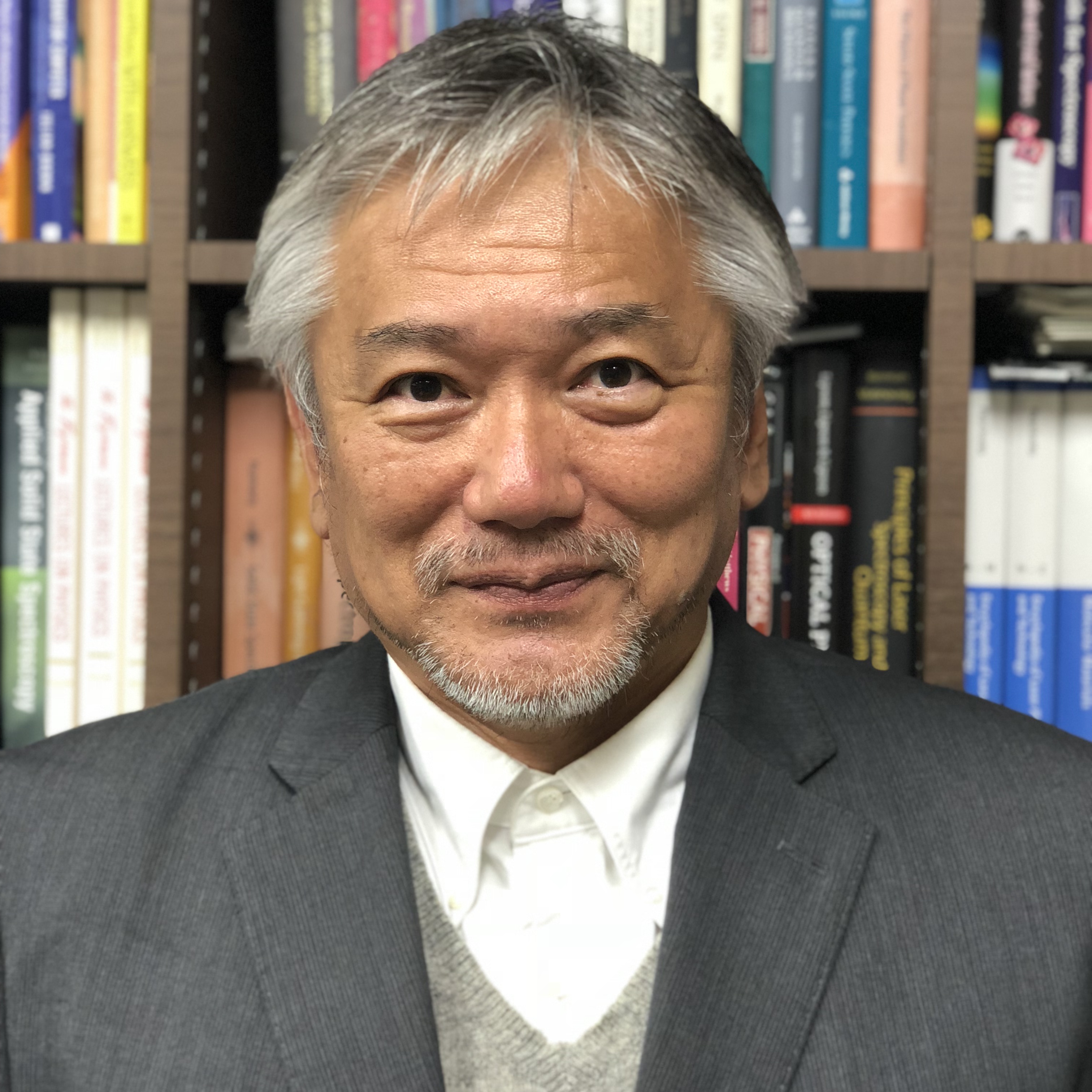
Gerald Pollack received his PhD in biomedical engineering from the University of Pennsylvania in 1968. He then joined the University of Washington faculty and is now professor of Bioengineering. He is also Founding Editor-in-Chief of the journal, WATER, convener of the Annual Conference on the Physics, Chemistry and Biology of Water, and Executive Director of the Institute for Venture Science. His interests have ranged broadly, from biological motion and cell biology to the interaction of biological surfaces with aqueous solutions. His 1990 book, Muscles and Molecules: Uncovering the Principles of Biological Motion, won an “Excellence Award” from the Society for Technical Communication. His 2001 book, Cells, Gels and the Engines of Life, and his newest book, The Fourth Phase of Water: Beyond Solid, Liquid, and Vapor won that Society’s “Distinguished Award,” their highest distinction. The latter book went on to receive the World Summit Excellence Award. Pollack received an honorary doctorate in 2002 from Ural State University in Ekaterinburg, Russia, and was more recently named an Honorary Professor of the Russian Academy of Sciences, and foreign member and Academician of the Srpska Academy. He received the Biomedical Engineering Society’s Distinguished Lecturer Award in 2002. In 2008, his colleagues chose him as the recipient of his university’s highest annual distinction: the UW Faculty Lecturer Award. Pollack is a Founding Fellow of the American Institute of Medical and Biological Engineering and a Fellow of both the American Heart Association and the Biomedical Engineering Society. He received an NIH Director’s Transformative R01 Award. He was the 2012 recipient of the Prigogine Medal for thermodynamics of dissipative systems, and in 2014 he received the Scientific Excellence Award from the World Academy of Neural Therapy, as well as the Society for Scientific Exploration’s Dinsdale Prize. In 2015, he won the Brandlaureate Award, previously bestowed on notables such as Nelson Mandela, Hillary Clinton and Steve Jobs. In 2016 he was awarded the 1st Emoto Peace Prize.
Craig Schwartz

Presentation Topic
Water – From Clusters to Nanoconfinement to the Bulk (Abstract)
Bio
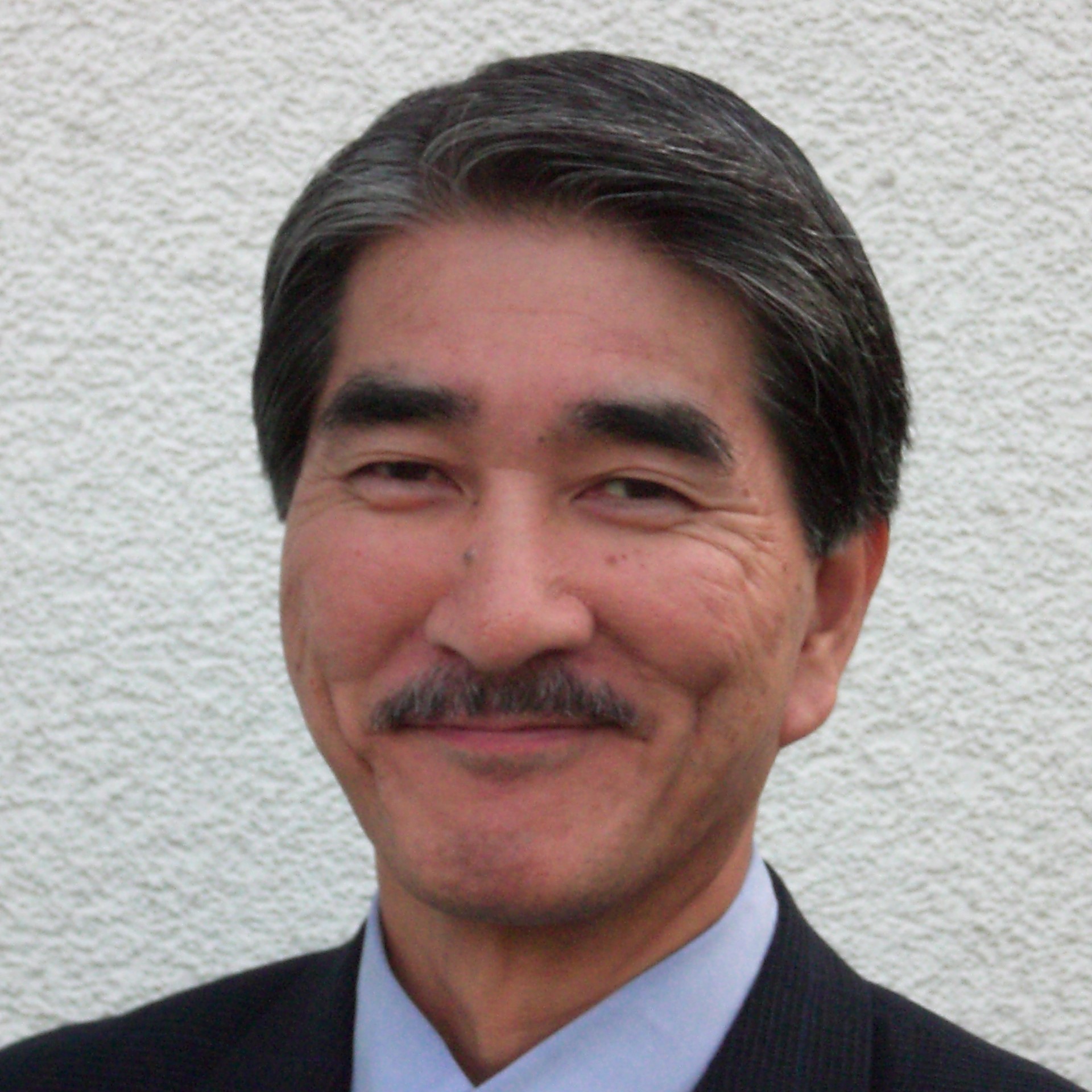
Craig Schwartz received his undergraduate degree from Northwestern University (IL, USA) and his Ph.D. in physical chemistry from University of California, Berkeley in 2010. His thesis work focused on theoretical and experimental investigations of liquids using X-ray spectroscopic techniques. He subsequently worked for an insurance company, before returning to science to develop ultrafast X-ray methods for synchrotrons at Argonne National Laboratory. He then became a project scientist at SLAC national lab where he built X-ray spectrometers and worked on ultrafast phenomena. His research is primarily concerned with X-ray spectroscopy and scattering. Primarily, he studies soft matter by spectroscopic means. He is also interested in developing new X-ray spectroscopic methods, particularly methods that require the high fields of X-ray free electron lasers.