カテゴリー: ResearchGroup

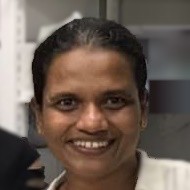
  • Lashya Manage

    Group leader: Dr. Lashya Manage

    Affiliation: Department of Zoology and Environmental Management, Faculty of Science, University of Kelaniya, Sri Lanka

    Research Topics: Monitoring water quality in different environmental aspects, characterization of hazardous waste, environmental pollutions, Environmental toxicology, Comprehend soil characteristics and functionalities.

    Contact: lashyamanage77@gmail.com, primali@kln.ac.lk

    Description:

    Our research group is currently immersed in several vital research areas:

    1. Water Quality Monitoring: We are actively involved in monitoring the quality of water resources, both surface and underground. This includes assessing various parameters to ensure water safety and sustainability.
    2. Analysis of Hazardous Environmental Pollutants: We are dedicated to identifying, analyzing, and mitigating hazardous environmental pollutants, safeguarding both natural ecosystems and human health.
    3. Soil Degradation and Water Table Depletion: We are committed to studying the impact of diverse factors on soil degradation and the depletion of water tables. Our aim is to develop strategies for sustainable land use and water resource management.
    4. Biological Characteristics Assessment: We conduct comprehensive research on the biological characteristics of animals, fish, and insects throughout their growth cycles. This encompasses evaluating the influence of environmental and human-induced factors on these populations.
    5. Waste Byproducts and Bio-Product Innovation: Our research also focuses on finding solutions for different waste byproducts. Simultaneously, we seek to innovate new bio-products that are not only economically profitable but also environmentally friendly.
    6. With the integration of Aquaphotomics into our research framework, we anticipate a significant expansion in our research horizons. This integration will bring a fresh perspective to our methodologies, data analysis techniques, and the interpretation of our research results. We believe that Aquaphotomics will be a valuable addition to our research toolkit, allowing us to gain deeper insights and enhance the impact of our work in these crucial areas.
    7. We are excited about the potential that Aquaphotomics offers and look forward to the valuable contributions it can make to our ongoing research endeavors.

    Aquaphotomics work:

    My pioneering journey with Aquaphotomics began in August 2022 when I joined the Aquaphotomics research group as a Post-Doctoral Researcher at Kobe University in Japan. Together with the Aquaphotomics research team, we embarked on introducing Aquaphotomics and NIR spectroscopy as highly efficient and practical tools for comprehending soil characteristics and functionalities in both on-site and in-situ settings.
    Our collaborative efforts extended to conducting a diverse range of experiments at the Yunosato lab. One of our key focuses was the monitoring of Yunosato mineral waters over time to meticulously assess the consistency and variances in their water characteristics. In addition, we delved into the evaluation of various water sample types, including N power, zero power, extracted bio-functional water, and treated sewage water. Our goal was to gain a deeper understanding of their unique water characteristics and functionalities, utilizing the power of Aquaphotomics.
    Furthermore, we initiated a comprehensive study of soil-plant responses, precisely tracking and evaluating their interactions and compatibility throughout different stages of plant growth. Collaborating closely with the research team, we set out to assess soil-tested parameters using Aquaphotomics, referencing the values obtained from the Photo-nutrient analyzer.

    With the strong support of the Aquaphotomics team and upcoming research collaborations with the Department of Agrobioscience at Kobe University, our future research endeavors are poised to explore Aquaphotomics as a groundbreaking and holistic approach for the investigation of soil properties and functions. Our ultimate aim is to contribute to the development of a soil aquaphotome, further enhancing our understanding of the intricate world beneath our feet.

    Currently, we function as a dedicated research team affiliated with the Department of Zoology and Environmental Management within the Faculty of Science at the University of Kelaniya. Our extensive knowledge and substantial contributions to Aquaphotomics and other environmental research conducted in Japan are expected to bring immense value to our future research initiatives within the department.

  • Symbiogene

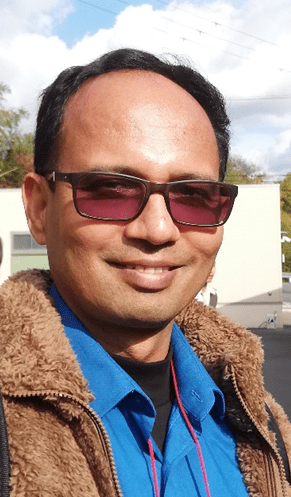
    Group name: Symbiogene
    Group leaders : Pedro Carrasco / Myriam Catalá
    Affiliation: Universidad Rey Juan Carlos, Spain
    Research Topics : Abiotic stress, anhydrobiosis, microalgae, lichen, desiccation

    Contact: myriam.catala@urjc.es

    Description: Aeroterrestrial microalgae, as well as lichens, are poikilohydric organisms; they cannot regulate their water content and are subject to fluctuations of environmental water. When these organisms lose their water content, they enter a state of anhydrobiosis until the next rehydration, which allows them to resume their metabolism. Allegedly, lichens and their associated phycobionts can survive indefinite dehydration/rehydration cycles and are therefore an interesting model to analyze the response to desiccation stress in a scenario of climate warming and water scarcity.

    Aquaphotomics work: Near-infrared spectroscopy allows the analysis of the metabolomic profile of cells, providing a unique molecular fingerprint that allows the association of metabolomic changes to stress situations. This novel technique, together with aquaphotomics, has made it possible to analyze in depth all the differences at the molecular level, including water, between common plants and those adapted to total dehydration (“resurrection plants”). However, the molecular structure of water during dehydration of aeroterrestrial algae is still unknown.

  • Kanaji Masakorala

    Group leader : Kanaji Masakorala

    Affiliation: Department of Botany, Faculty of science, University of Ruhuna, Sri Lanka

    Research Topics: Phytoremediation, environmental toxicology, plant stress biology.

    Contact: mas@bot.ruh.ac.lk

    Description: Our research group consist of members having the expertise in different fields, including plant science, environmental science and microbiology. Currently, in our research, we apply multidisciplinary approach to study, monitor and find solutions for environmental issues through the application of different types of molecular biological, chemical and physical analyses.

    Aquaphotomics work: I joined with Aquaphotomics Department in the Faculty of Agriculture, Kobe University Japan, as a postdoctoral researcher and there I learned NIR spectroscopy and aquaphotomics under the guidance of Prof. Dr. Roumiana Tsenkova. In our future research, I hope to apply NIR spectroscopy and aquaphotomics as a holistic biomarker.  

  • Hengchang Zang


    Group leader: Prof. Hengchang Zang

    Affiliation: School of Pharmaceutical Sciences, Shandong University, China

    Research Topics: Process analysis technology, Near infrared spectroscopy, Aquaphotomics

    Contact: zanghcw@126.com


    NIRS is a modern analytical technique that makes use of the material information contained in the near infrared spectrum region and relies on chemometrics and computer technology to carry out qualitative and quantitative analysis of organic substances. It is one of the most important tools in PAT technology. NIRS has become one of the most rapidly developed new analytical techniques in the past decade due to its advantages of fast analysis speed, no pretreatment, no pollution, and simultaneous analysis of multiple components.

    Drug quality and its uniformity is one of the important basic characteristics of drugs, and it is the core of drug efficacy and drug risk management. Many advanced pharmaceutical companies have adopted NIR spectroscopy for quality analysis and control of the whole process. However, the application of NIR spectroscopy in the pharmaceutical field is still in the research stage, and the common problems of many methodologies need to be further studied and understood. It is necessary to conduct theoretical discussion and experimental research on how to integrate the implementation of engineering, drug registration regulations, and the restrictions of GMP clauses. The consistency of drug efficacy and the improvement of drug re-registration standards all need the support of NIR technology. Therefore, in recent years, our research group has been devoted to the theoretical exploration and application research of the application of NIR spectroscopy in the pharmaceutical field.

    Aquaphotomics related work

    Hydration plays an important role in the stability of protein structure and function. The dynamic characteristics of hydration play a key role in biochemical processes, including protein folding, enzyme function, and molecular recognition. Protein purification is affected by hydration and dehydration. We used NIR spectroscopy to study the morphological changes of the hydration layer around protein molecules and detected the network structure of hydrogen bond water around protein molecules by changing the protein concentration, thus providing theoretical support for the stability of protein structure.

  • Carrie K. Vance

    Group leader : Carrie K. Vance

    Affiliation: Mississippi State University, Department of Biochemistry, Molecular Biology, Entomology, and Plant Pathology, Mississippi State, MS, USA 39762

    Research Topics : Animal physiology, Amphibian conservation, NIR and NMR spectroscopy applied to animal and plant pathogens and diseases.

    Contact: ckv7@msstate.edu

    Description: Our research group started working with spectroscopic applications in animal physiology when Dr. Vance joined a research team focusing on NIR analysis of nutrition in the Giant Panda. We expanded our studies to develop NIR spectroscopic methodologies for determining basic physiological parameters (e.g. gender, reproductive status, age, disease) with the end goal of mapping the demographic movements of giant panda in-situ. Additionally, we have applied NIR spectroscopy to numerous other mammalian species (horses, cattle, elephants, okapi, leopards) and extended our research into non-mammalian taxa (anura, caudates, fish).

    Aquaphotomics work: We have used Aquaphotomics to profile the reproductive status of Snow leopards and Amur leopards using NIR spectra collected from urine. In addition, we evaluated the reproductive cycling and performance of mares exposed to the fusarium mycotoxin Zearalenone, which causes hyperestogenism, by the analysis of blood serum spectra. Currently, we are using NIR spectroscopy and Aquaphotomics to analyze biochemical profiles of the pathogens Bovine Herpesvirus type 1, Bovine Respiratory Syncytial Virus, Mannhemia haemolytica, Xanthomonas spp, and Rhizoctonia solani. Our ultimate goal is to understand the biochemical changes occurring during the course of disease, and validate spectra profiling early stages of infection. Deterministic spectra feed into the development of NIR spectroscopy as a rapid, portable, non-destructive, and accurate diagnostic tool capable of reducing the time required for pathogen and disease detection and identification, which is a determining factor in infection-related mortality rates and the control of further disease spread.

  • Chemoinformatics@Nankai University

    Group Leader: Prof. Xueguang Shao

    Affiliation: College of Chemistry, Nankai University, China

    Research Topics: Chemometrics, Near–infrared spectroscopy, Analytical Chemistry

    Contact email: xshao@nankai.edu.cn


    Description

    A series of chemometric methods were developed for analyzing complex systems, including chemical factor analysis (CFA), optimization methods, wavelet transform (WT), and immune algorithm (IA). Particular attention was paid to the studies of near infrared spectroscopy. Chemometric methods for near–infrared (NIR) spectral analysis, including the methods for spectral pre-processing, outlier detection, variable selection, and the methods for quantitative and discrimination analysis. Works for the micro-analysis by NIR spectroscopy were conducted as well based on the combination of chemometric and experimental strategies. The research interests of the laboratory also include the application of NIR spectroscopy in the monitoring of industrial productions and the quality control of drugs and natural products.

    In recent works, research works are concentrated on temperature–dependent NIR spectroscopy. Quantitative models between NIR spectra and temperature was studied and applied to the quantitative determination of the compositions in mixtures and the analytes in aqueous solutions, as well as the structural analysis in the transformation of proteins and polymers. In these works, water was taken as a probe for sensing the quantity and the structure of the analytes. Therefore, chemometric methods for extracting the information from NIR spectrum of water was developed. In the future works, application of temperature–dependent NIR spectra in analyzing bio-systems will be concentrated on, e.g., disease diagnosis based on the spectra of bio-liquids.

    Aquaphotomics Related Work

    Similar with the studies of aquaphotomics, the spectrum of water was taken as the main source of the information. Water serves as a mirror to reflect the quantity, structure and the interactions in the analyzing systems. Therefore, methods for deeply mining the fine spectral features of water and their variation with temperature are needed. Up to now, water structures in different solutions were studied by temperature–dependent NIR spectroscopy, and the complexity of water structures was studied by molecular simulations. Chemometric methods for enhancing the resolution of the NIR spectrum and retrieving the spectral information for different water species were developed. Furthermore, quantitative determination and understanding of the structural changes of proteins and polymers by the change of the spectral features of water with temperature was conducted. Water was proven to be a good probe for indicating the quantity and the structure of the analytes in aqueous and bio-liquid systems.

  • SpectroscopyLab

    Group Leader: Dr. Ahmad Fairuz Omar

    Affiliation: School of Physics, Universiti Sains Malaysia, Malaysia

    Research Topics: Environment, Food Quality, Plant Disease, Cancer Detection, Dermatology

    Website or contact email: http://www.fizik.usm.my/index.php/about-us/our-people/academic/senior-lecturer/27-staff/senior-lecturers/63-ahmad-fairuz-bin-omar


    Description

    Dr. Ahmad Fairuz Omar currently leading an optical spectroscopy research group in the School of Physics, Universiti Sains Malaysia (USM). He completed his master’s degree in 2009 with research on the development of an optical fiber sensor in the measurement of water turbidity. He then completed his Ph.D. in 2012 with a research topic on the application of visible and near-infrared spectroscopy in measuring intrinsic qualities of B10 Averrhoa carambola. For the last 10 years, he has been working to fully utilize the application of optical spectroscopy, especially for environmental monitoring, food quality analysis, and medical diagnosis. He is actively reaching out for collaboration with various research faculties in Malaysia and neighboring countries, in enhancing the establishment of spectroscopy network and contribution within this region. In addition, Dr. Omar regularly organized outreach programs to high school and general public in promoting awareness on issues related to sustainability and quality of life, and the potential role that optical spectroscopy carries in handling quality issues from instrumentation and measurement point of view.

    Aquaphotomics work

    Dr. Omar has previously published several articles on the application of near-infrared spectroscopy in the measurement of aqueous sugars and acids concentration and also in food quality analysis. His current research focus is on implementing near-infrared spectroscopy and aquaphotomics in cancer diagnosis and in skin quality measurement, especially those related to moisture measurement of stratum corneum layer on human skin. This research is in collaboration with the Malaysian Institute of Pharmaceuticals and Nutraceuticals (IPharm) and Advanced Medical and Dental Institute (AMDI), USM.

    Dr. Omar can be contacted at fairuz_omar@usm.my and his full academic and research background can be assessed at:
    http://www.fizik.usm.my/index.php/about-us/our-people/academic/senior-lecturer/27-staff/senior-lecturers/63-ahmad-fairuz-bin-omar

  • Precision Horticulture

    Group Leader: Prof. Manuela Zude

    Affiliation: Leibniz Institute for Agricultural Engineering and Bioeconomy (ATB), Germany

    Research Topics: fruit quality; irrigation; oxygen shortage; spatially resolved spectroscopy, frequency based spectroscopy


    Description

    The group Prec_Hort works on research questions related to precise production measures in fruit growing. The group is active in the development of optical sensors and turning the signals into plant information. The plant information obtained is used in the agronomic processes. The Prec_Hort work group is located in the Leibniz Institute for Agricultural Engineering and Biotechnology (ATB), Potsdam, Germany. Here we have an optical laboratory and an experimental station providing some two thousand apple trees with two cultivars in random design and sweet cherry trees capturing >70 varieties to run experiments. We are a group of five researchers in various steps of our careers supported by excellent engineers.

    Aquaphotomics work

    Our research questions target the following three steps to integrate sensors in the precise fruit production:

    • Characterisation of physical properties of fresh fruit
    • The in-situ assessment of fruit by means of spectral-optical (multi- and hyper-spectral methods in the visible and near infrared wavelength range, time-resolved laser-induced fluorescence spectroscopy, spatially resolved spectroscopy [backscattering imaging]) and whole trees by means of light detection and ranging laser scanners.
    • Applications of Precision Horticulture such as zone-specific harvest management and more precise irrigation management considering soil zones, plant growth (leaf area) and fruit developmental stage

    Any exchange within Aquaphotomics on the optical sensing and its application would be very interesting to us.

    Contact: https://twitter.com/prec_hort?lang=en

  • Everine van de Kraats

    Group leader: Everine van de Kraats, PhD

    Affiliation: Independent, Netherlands

    Research Topics: Water functionality, aquaphotomics, NIR spectroscopy, ultra-weak photon emission (UPE), agriculture, human health


    At ViaLight Research she was head of research and assisted management with their new ventures. Together with her team she investigated water functionality. The main research targets were to develop a (multispectral) sensor to distinguish agricultural produce grown with waters before and after going through a ‘water vitalizing’ device, to distinguish the respective waters by their function, and to understand the mechanism behind the observed effects.

    Tests were performed, and observations and measurements were done, in agricultural field and in laboratory on seeds, vegetables, leaves, soil and roots. Instruments used ranged from ultraviolet, visual, and near-infrared spectrometers, Raman to ultra-weak photon spontaneous emission and delayed luminescence measurement devices.

    Her dream is to know, feel, and be able to determine, which water to use, or how to ‘treat’ water (in any case with gratitude and respect :-)), at what time, for what person or agricultural purpose, to support living life in a natural, harmonic, and connected way.

    Her vision is to develop aquaphotomics further to understand water functionality on a fundamental level, bring this knowledge to the public and build applications that are relevant for consumer and industry.

    Aquaphotomics Work

    In 2012 she contacted prof. Tsenkova to learn more about aquaphotomics and since then they have been collaborating. At ViaLight Research aquaphotomics was used to investigate quality of vegetables in greenhouse and laboratory setting, as well as to distinguish water before going through a water vitalization device from water after going through the device.

    In 2016 she started to work on developing a business case for aquaphotomics applications and research and she is setting up an Aquaphotomics Society together with prof. Tsenkova and other aquaphotomics colleagues to bring together scientists from multiple disciplines to further advance the field.

    She is interested in: Interpretation of aquagrams and understanding water functionality, opportunities to bring aquaphotomics applications to the market

    She can contribute to: Aquaphotomics protocol development, aquaphotomics measurements, business development for aquaphotomics applications, developing understanding of water functionality, interpretation of results, organization of aquaphotomics society, spreading to word about aquaphotomics and finding funds and potential partners

    Contact: everine.van.de.kraats@gmail.com

  • The Austrian-Hungarian research group for NIRS and Aquaphotomics applications

    Research Topics: NIR spectroscopy and the related instrumentation, data evaluation techniques, software and programming

    There is a little group in the middle of Europe consisting of three young research fellows having devotion towards NIR spectroscopy and the related instrumentation, data evaluation techniques, software and programming.

    One of the fellows, Dr. Bernhard Pollner <bernhard.pollner@mac.com> from Austria, graduated to MD at Innsbruck Medical School in 2004. He has been working as an independent researcher consultant in the field of water science since his graduation. During his scientific activities Bernhard acquired a good knowledge of many different methods in this field. One of his special interests lies in complex algorithms and high-throughput computations using R, a free software environment for statistical computing and graphics. Since his three months stay in Professor Roumiana Tsenkova’s laboratory, at Kobe University, Japan, together with the other two fellows Zoltan and George, he worked on various projects in the field of NIRS and Aquaphotomics. He is currently a PhD student at University of Innsbruck, Austria.

    George Bazar, PhD <bazar@correltech.hu>, one of the Hungarian fellows, started learning about NIRS as a PhD student in Professor Robert Romvari’s laboratory at Kaposvar University in 2005. Later he was mentored by Professor Karoly Kaffka who motivated him to attend the next IDRC in Chambersburg. At this meeting in 2008 George met many pioneers of NIRS, among them the famous Karl Norris considered to be the father of NIR spectroscopy, and Roumiana Tsenkova who introduced him Aquaphotomics. Thanks to this acquaintance, after defending his PhD in 2011, he successfully applied for a JSPS postdoc position at Professor Tsenkova’s laboratory, where he spent two years. Half a year after his arrival Zoltan joined the same team, and they started working together on different research topics in the field of Aquaphotomics. George returned to Hungary in 2014 and since then he has been working at Kaposvar University as Research Fellow. His valuable work has been awarded by the Postdoctoral Fellowship Grant in the frame of the New National Excellence Program of the Hungarian Government.

    The second Hungarian fellow, Zoltan Kovacs, PhD <kovacs@correltech.hu>, started his scientific activity in the field of instrumental taste sensing and defended his PhD diploma in 2012 in the topic of the problems with electronic tongue measurements. He gained knowledge about experimentation, uni- and multivariate data analysis related to the above mentioned topics, which gave him the opportunity to apply to Professor Tsenkova’s laboratory where he learned the basics of NIRS and Aquaphotomics techniques working together with George and later with Bernhard. Zoltan returned to Hungary in 2016 and works at his home university, Szent István University, Budapest, as assistant professor and beside his original field he makes great efforts to do research in the field of NIRS and Aquaphotomics. His work has been awarded by the Janos Bolyai Postdoctoral Research Grant given by the Hungarian Academy of Sciences.

    George and Zoltan realized the high importance of the stability of the spectrometers when the Aquaphotomics approach was applied and started to pay attention to the stabilization of the experimental arrangements, widening the knowledge of Aquaphotomics with their observations. While Bernhard and Zoltan have been working to develop dedicated software for Aquaphotomics calculations since they met in Japan.

    Bernhard, George and Zoltan continuously look for the opportunities to extend the research of NIRS and Aquaphotomics and they keep working on research projects with Professor Tsenkova at Kobe University, but they are willing to build collaborations with other groups, too.

    Beside the academic presence they have founded a consulting company in Hungary, Correltech Bt., to provide a more flexible way of collaboration of researchers related to NIR spectroscopy and other correlative analytical technologies worldwide. They all were invited to the scientific team of Tellspec Inc., an innovative data company offering real-time food analysis with a small handheld NIR spectrometer connected with a cloud-based analysis engine.

    These research fellows aim to build a wide international scientific cooperation in NIR spectroscopy, multivariate data analysis, and in the field of possible applications. Therefore, they are ready to support cooperation with their knowledge in instrumentation, experimentation, data evaluation, software and programming.

    Contact: Zoltan Kovacs <kovacs@correltech.hu>