Author: admin

  • Aquaphotomics: A Novel Technique for Evaluating Lettuce Quality During Storage

    Aquaphotomics: A Novel Technique for Evaluating Lettuce Quality During Storage

    Lettuces are approximately 95% water. As dietary staples, high-demand produce items like lettuce present unique challenges to the food supply chain. Consumers want fresh, juicy, crisp lettuce, but the shelf life of such a high-water content food is extremely limited by the mechanics of water molecular structure. In a world where food scarcity, resource conservation, and reduction of food waste are increasingly of concern, there is great need to better understand this process. 

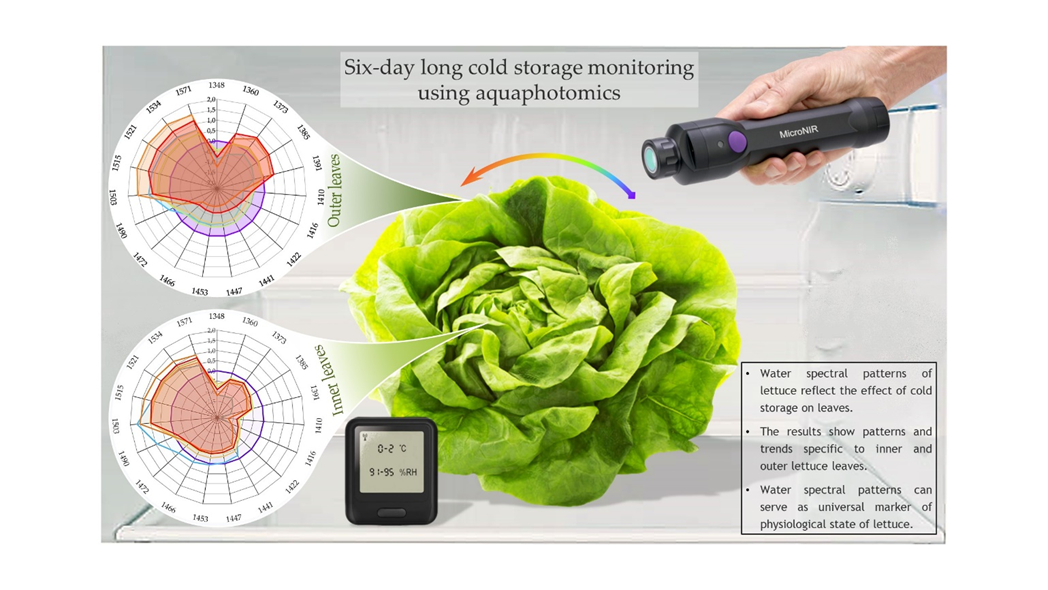
    Researchers from the Department of Measurements and Process Control at the Hungarian University of Agriculture and Life Sciences in Budapest, Hungary and the Aquaphotomics Research Department at Kobe University in Kobe, Japan partnered to develop a rapid, non-destructive way to assess the changes of lettuce during cold storage and explain them by using aquaphotomics while monitoring the structure of water molecules in the leaves.

    The scientists purchased 10 undamaged heads of lettuce, unpackaged them, and stored them in a dark fridge without washing or treatment. The refrigerator was maintained at 0-2 degrees Celsius with a relative humidity of 91-95%. Five of the lettuces were used for spectral analysis, and five were used to take reference measurements for weight, water activity, and pigment. The lettuces were monitored for 6 days in correspondence with the typical grocery store shelf life.

    Spectra were measured in the first overtone of water, 1300-1600 nm. From the 900 spectra collected, difference spectra were made by subtracting the spectra collected on the first day of storage from the spectra collected on each consecutive day. Then, in order to analyze and visualize the measured absorbance values, the difference spectra were used to identify water matrix coordinates (WAMACs), develop aquagrams, and finally display water spectral patterns (WASPs).

    By observing changes in the WASPs of the leaves, the scientists determined cold storage contributed to moisture loss, damage to cell walls, expulsion of intracellular water, loss of free and weakly hydrogen-bonded water, and stimulation of defense mechanisms. These changes were observed as changes in pigments, weight, water activity, and spectral absorbance at bands related to specific molecular structures and respective functionalities. In each measure, there was clear differentiation between the inner and outer leaves of the lettuce heads.

    The changes in pigments were evaluated at three absorbance peaks (454, 479, and 678 nm) which correspond respectively to β‐carotene, chlorophyll b, and combined absorption of carotenoids and chlorophylls. For the 454 nm band, the mean absorbance significantly decreased between the first and last days of storage. For the 479 and 678 nm bands, the mean absorbance significantly increased between the first and last days of storage.

    Changes in weight were measured directly and attributed to respiration, transpiration, natural deterioration of lettuces, and microbial activity. The average weight was highest on the first day, with small changes on days 2, 4, and 5, and a significant drop on day 3.

    Water activity is one of the most important measures of food stability, because it provides information about the amount of water available to participate in chemical reactions. The water activity of lettuce appears to follow the same trend as the weight changes. The average water activity values reached a minimum on the fourth storage day, followed by a gradual increase.

    The changes in each of these traits were observed directly in the difference spectra absorbance values. For both the inner and outer leaves, the difference spectra increased to maximum absorbance levels in the ranges 1350-1400 nm and 1500-1600 nm and decreased in the range 1400-1500 nm. These changes correspond to weakly hydrogen-bonded water, strongly bound water molecules, interactions of water and sugar and water and cellulose, and crystalline water molecules. However, the changes in absorbance values indicate that the outer leaves showed impacts of cold storage almost immediately, but the impact of the inner leaves was delayed by protection from the outer leaves. In addition, a linear relationship was observed between absorbance values and storage time which would allow storage time to be predicted using measured spectra.

    Figure 1.  Aquagrams of lettuce leaves calculated for each day of storage for (a) inner leaves (N = 6), and (b) outer lettuce leaves (N = 6). [1]

    The results of this study show that aquaphotomics can be used to monitor changes in lettuce during storage without destroying the product. The study identified specific water absorbance bands which can be used as WAMACs for use in standard application of this method, defined a novel biomarker based on a WASP to describe the water molecular structure in lettuce leaves, and characterize changes in inner and outer lettuce leaves while in cold storage. Such aquaphotomics analysis can be used to develop a deeper understanding of the mechanisms of freshness and subsequently, to improve and innovate food preservation.

    Reference

    [1] Vitalis, F., Muncan, J., Anantawittayanon, S., Kovacs, Z., & Tsenkova, R. (2023). Aquaphotomics Monitoring of Lettuce Freshness during Cold Storage. Foods12(2), 258.

  • UN Water Conference: “New York Water Week” on March 22 and 23

    UN Water Conference: “New York Water Week” on March 22 and 23

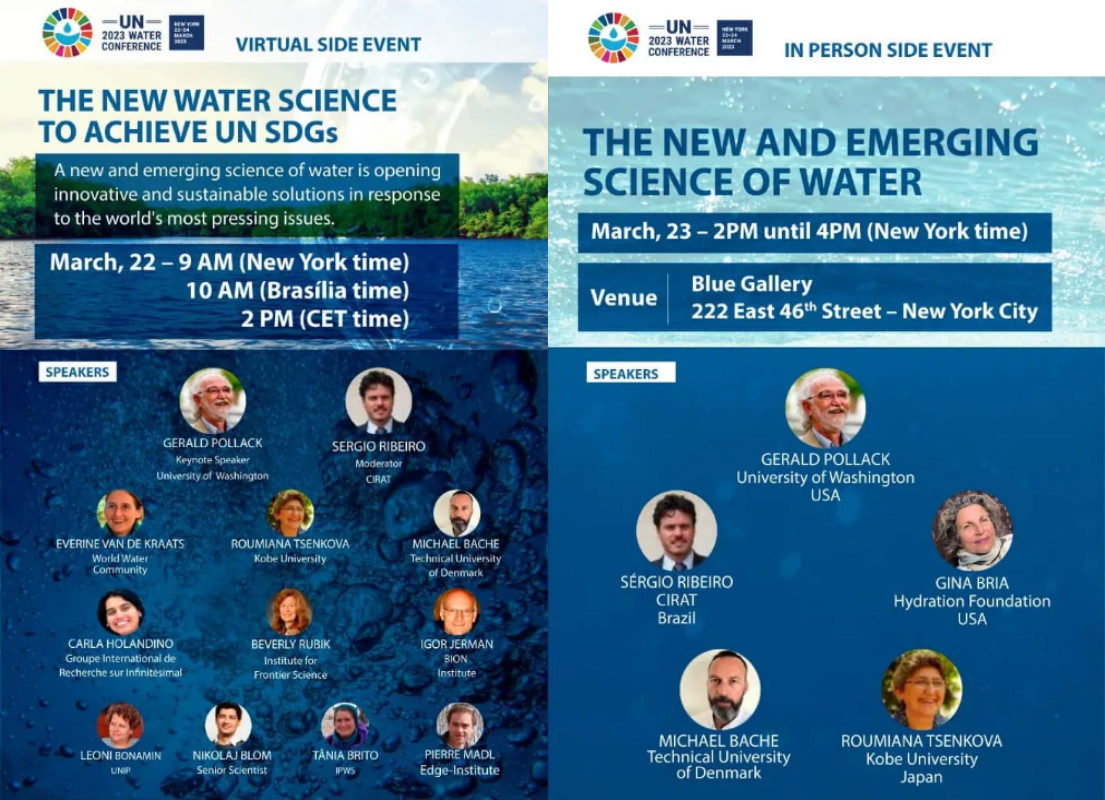
    We’re delighted to announce that “New York Water Week” has officially begun as part of the UN Water Conference. In light of this event, we would like to extend an invitation to you to join us for two upcoming events that will center on the new and emerging science of water.

    The first event, “The New Science of Water: Research on Physicochemical and Nano-Structural Properties of Water and Its Multiple Applications” will be held virtually on March 22. This event will feature esteemed speakers who will share their insights on the latest research in water science and its applications.

    The second event, titled “The New and Emerging Science of Water: International and Cross-Sector Cooperation,” will be held in-person on March 23. It will bring together experts from various sectors to discuss ways in which international cooperation can address the water crisis.

    We are honoured to have Prof. Dr. Roumiana Tsenkova, President of the Aquaphotomics International Society, as a keynote speaker for both events. She will be speaking on the topic of “Aquaphotomics: Water – Light Interaction as an Immense Source of Information on System Level.”

    You can register for the events at the following two links:

    https://nywaterweek.com/events/the-new-science-of-water-research-on-physicochemical-and-nano-structural-properties-of-water-and-its-multiple-applications/

    https://nywaterweek.com/events/the-new-and-emerging-science-of-water-international-and-cross-sector-cooperation/

    We believe that these events will provide invaluable opportunities to learn and engage with others in the field. Please feel free to disseminate this information among your friends, followers, and collaborators.
    Thank you for your attention, and we look forward to seeing you at these events.

  • Aquaphotomics Webinar – Something Different this Spring

    Aquaphotomics Webinar – Something Different this Spring

    Recordings


    Dear friends and colleagues,

    We are excited to announce our upcoming “something novel, something different” themed webinar with Dr. Daniel Fels, a renowned researcher in host-parasite interactions and electromagnetic cell communication. Dr. Fels is not only a world-renowned expert in his field, but he is also an engaging and captivating speaker.

    Dr. Fels received his PhD from the Zoological Institut at the University of Basel in Switzerland, where he conducted research on the manipulation hypothesis in Daphnia and gut-parasites. He later went on to investigate the transmission ecology of Paramecia and micronucleus-parasites as a post-doc at the CNRS and the University Pierre et Marie Curie in Paris, France.

    From 2006 to 2015, Dr. Fels pursued independent research on electromagnetic cell communication among Paramecia at the Swiss Tropical Institute in Basel and the Institute of Plant Physiology at the University of Basel. His contributions to this field have been widely recognized, and he co-edited the eBook “Fields of the Cell” in 2015.

    Join us as we delve into the groundbreaking research of Dr. Fels on intercellular communication through photons. Discover how cells can communicate with each other even when separated by a glass barrier, and how this affects cell division and energy uptake. Don’t miss out on this exciting journey into the fascinating world of cellular communication!

    Please mark your calendars for the webinar on March 14th. The webinar will be held, as usual, on the Zoom platform and is free for all who wish to attend. To register, please use the “Sign up” form provided below.


    ~  Webinar Schedule ~

    Time & Date: 2023/03/14 (Tuesday)

    Starts at:   Japan Time (JST) 5:00 PM

                      Central European Time (CET) 9:00 AM

    Ends at:     Japan Time (JST) 6:00 PM

                       Central European Time (CET) 10:00 AM


    To learn more Dr. Fels’ research, check out this ebook and his previous presentation below.

    Fields of the Cell: Discover the future (click to download)

    We look forward to your participation!

  • Summer School on Aquaphotomics & the 3rd Aquaphotomics European Conference

    Summer School on Aquaphotomics & the 3rd Aquaphotomics European Conference

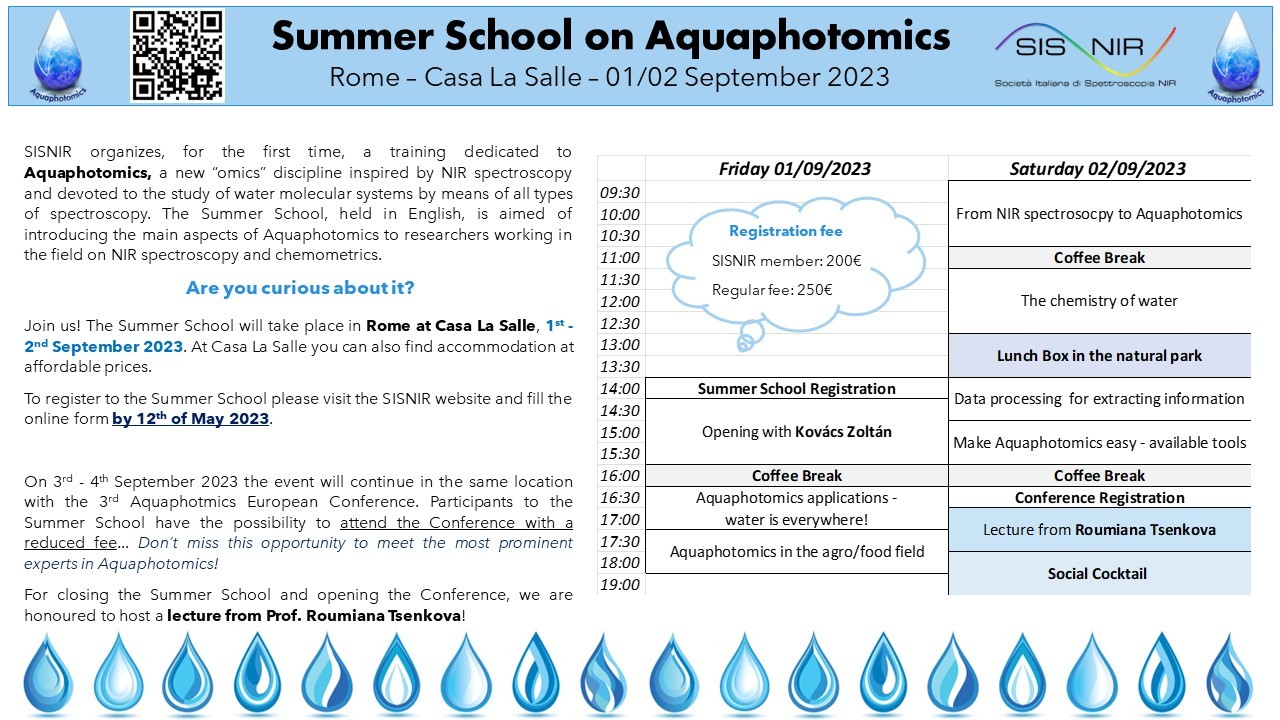
    The Italian Society of NIR Spectroscopy – SISNIR in collaboration with the Aquaphotomics International Society organises a Summer School on Aquaphotomics, a new “omics” discipline inspired by NIR spectroscopy and devoted to the study of water molecular systems by means of all types of spectroscopies. The Summer School, that will take place in Rome from September 1st to September 2nd 2023, is aimed of introducing the main aspects of Aquaphotomics to researchers working in the field of NIR spectroscopy and chemometrics.

    For further information about the Summer School on Aquaphotomics, please visit https://www.sisnir.org/summer-school-2023.


    Furthermore, on September 3rd-4th 2023 the event will continue in the same location with the 3rd Aquaphotomics European Conference, a great opportunity to share ideas and applications about this cutting-edge discipline as well as to discuss with the leading experts in Aquaphotomics. Participants to the Summer School have the possibility to attend the conference with a reduced fee.

    For further information about the 3rd Aquaphotomics European Conference please visit  https://www.3aec.sisnir.org/index.php

  • Aquaphotomics Study on Cement Shows Molecular Differences between Standard Mixing Waters Affect Concrete Properties

    Aquaphotomics Study on Cement Shows Molecular Differences between Standard Mixing Waters Affect Concrete Properties

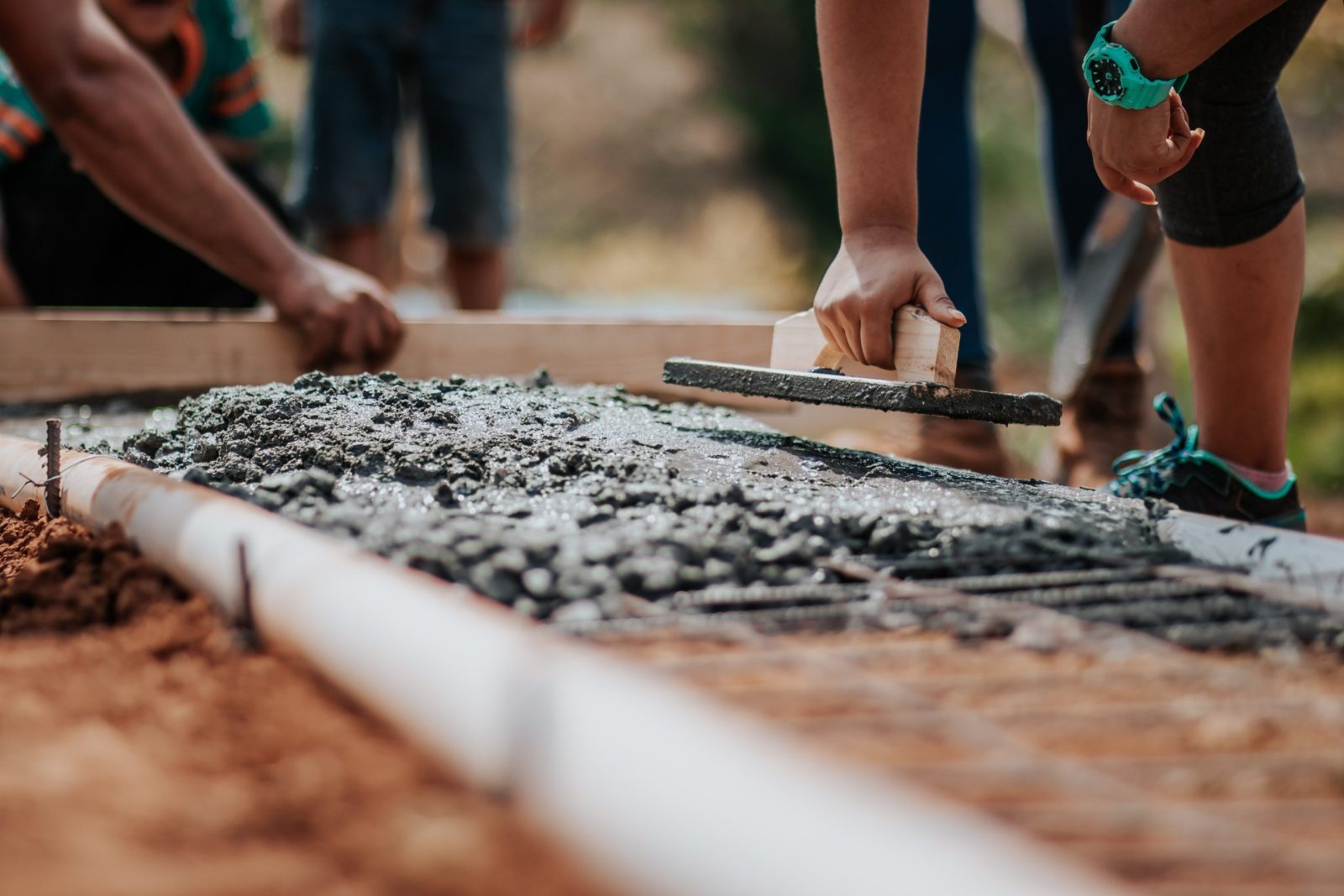
    Using near-infrared spectroscopy and aquaphotomics, scientists have conducted a study of the molecular properties of water used to make cement and discovered that the molecular structure of water matters!

    When engineers need concrete, they generally need it to have specific characteristics. It needs to be strong, but not too heavy, firm enough to bear the loads, but flexible enough to handle changing stress forces. The traits vary with each application, and subsequently, so does the mix “recipe”.

    Within the engineering standards, there are multiple options for each component of the concrete mix, and water, one of the most influential parts of a concrete mix, is no exception. There are set tolerances for the chemical properties of types of water generally considered usable for concrete mixes, and as long as a water is within those tolerances, engineers often don’t attribute much significance to their choice of water. This study shows that might be a critical oversight.

    Researchers at the Aquaphotomics Research Department (Kobe University, Japan) in partnership with researchers at the Department of Urban Design and Engineering (Osaka Metropolitan University, Japan) and ISOL Technical Corporation (Kyoto, Japan) conducted a study on different waters used in cement production. They identified a problem: concrete prepared in different cities using the same mixes, from the same company, with different tap waters approved under engineering standards were hardening with different mechanical properties. The only difference in the concrete mixes was the source of water, so the researchers wanted to look deeper into the role of water in the cement and the variation of molecular properties allowed by the design standards.  

    The researchers analyzed the near-infrared spectra of four types of concrete mixing water, of concrete mixed with each water type, and the concrete samples’ thermal strain and dry shrinkage. They used near infrared spectroscopy and aquaphotomics to characterize the waters and the cement mortar, monitoring changes in water molecular structure within the concrete as it hardened.

    They compared four types of mixing water: distilled water, tap water, mineral spring water from a shallow source, and mineral spring water combining shallow and deep sourced water. They measured the spectra of each water sample with a high-precision, high-accuracy spectrometer, and they mixed concrete samples according to the Ordinary Portland cement Japanese Industrial Standards for physical testing methods. They then measured the near-infrared (NIR) spectra of each concrete sample as they dried in air on the day they were mixed and after 1, 3, and 7 days. They also monitored the internal temperature and thermal strain of each sample during the first 24 hours of curing and the dry shrinkage strain for 91 days. 

    The researchers analyzed the acquired spectral data, thermal strain, and dry shrinkage, and determined that the mechanical properties of the cement were dependent on the water type used. The differences in the molecular properties of the waters affected the hydration and curing of the cements, which affected the properties of the hardened cement. The mineral waters produced cement with a less porous and more compact structure, with considerably less drying shrinkage strain. Because drying shrinkage strain contributes to durability issues in hardened cement, the mineral mixing waters could be considered superior to the distilled and tap waters. 

    This study has significant implications for the production of concrete in practical and research settings. First, this study showed that the current design standards which do not account for water molecular structure may need to be revised.

    Second, this study identified 18 water absorbance bands which could be used as standard Water Matrix Coordinates (WAMACs) – the bands that carry important information about the state of cement mortar. In combination, the WAMACs can be used to develop Water Spectral Patterns (WASPs) for cement mortar – a single, visual tool that can give information about several properties of the material simultaneously. By studying and analyzing WASPs, understanding of physical and chemical processes within the mortars and cements can quickly be broadened and deepened. The potential for research application of the aquaphotomics method in further studies is vast.

    Finally, the aquaphotomics characterization of cement hydration used in this research was presented as a pioneering method that can provide extensive insights into these underlying mechanisms in a non-invasive, non-destructive, rapid, and accessible way. Even in current, state-of-the-art cement mixing and testing, there is no other way to access this level of insight. This method can be used to accurately predict the properties of hardened cement immediately after mixing, which is not only completely novel but would be highly valuable in practical applications. The development of known standards such as WAMACs and WASPs through further research would enable quicker and more accurate description of cement characteristics. Using these methods, industry professionals could cost-effectively and rapidly reduce errors and improve the results of concrete formulation, mixing, and construction.

    READ MORE: Aquaphotomic Study of Effects of Different Mixing Waters on the Properties of Cement Mortar [MDPI]

  • 2022nd Aquaphotomics Award Webinar

    2022nd Aquaphotomics Award Webinar

    Webinar Recording


    Dear friends and colleagues,

    It is our pleasure to invite you to the 2022nd Aquaphotomics Award and the first aquaphotomics webinar in the year 2023!

    This time we will have an honor and pleasure to host a lecture by the 2022nd Aquaphotomics Awardee, Prof. Dr Masato Takeuchi. Prof. Takeuchi’s publications are eagerly awaited by our Aquaphotomics Research Department. His works are unique and set the example of how clearly and beautifully all the intricacies of molecular structure of water and related functionality can be described based on the information extracted from the measured spectra.

    In his hands, spectroscopy is like a super-power tool that allows him to observe the molecular structure of water as if he is looking at it with a microscope. The assignment proposed in his papers proves the existence of already discovered and defines new Water Matrix Coordinates (WAMACS). Therefore, his work makes a significant contribution for the development of aquaphotomics and we are happy to hear him talking about his latest discoveries.

    In the lecture, Prof. Takeuchi will talk about the mechanisms of dehydration of hydroxide and hydration of oxide, as well as adsorption of water on zeolites and if time allows, he might touch on some other related phenomena.

    Please mark this date and time in your calendars, and join us on 10th February, 5pm JST. Please find all the information about the lectures at the schedule below. The webinar will be held using Zoom platform free for all who wish to participate. All you need to do is sign up for attendance using a “Sign up” form provided below the schedule.

    This is the webinar you should not miss! Whatever your field of work is, if you are interested in water, in aquaphotomics and/or using spectroscopy, you will be enriched by this experience and you will also eagerly follow the work of Prof. Takeuchi.


    2022nd Aquaphotomics Award Webinar – Schedule

    ~  Webinar Schedule ~

    Time & Date: 2023/02/10 (Friday)

    Starts at:   Japan Time (JST) 5:00 PM

                      Central European Time (CET) 9:00 AM

    Ends at:     Japan Time (JST) 6:00 PM

                       Central European Time (CET) 10:00 AM


    Prof. Dr Masato Takeuchi

    Department of Applied Chemistry, Graduate School of Engineering, Osaka Prefecture University, Osaka


    Near-IR spectroscopic observation: dehydration of hydroxide and hydration of oxide

    To tackle global warming issue due to escalating CO2 emission, researches have focused on the effective use of unharnessed thermal energy using chemical heat storage (CHS) materials. For example, dehydration of Mg(OH)2 and hydration of MgO correspond to storage and output processes of thermal energy, respectively. In this lecture, the mechanism of Mg(OH)2 dehydration and MgO hydration by using NIR spectroscopy will be presented. In addition, some of the phenomena related to adsorption of water will also be discussed.

    Credit: J. Phys. Chem. C 2021, 125, 20, 10937-10947
  • Associate Professor Jelena Muncan received the NIR Advance Award

    Associate Professor Jelena Muncan received the NIR Advance Award

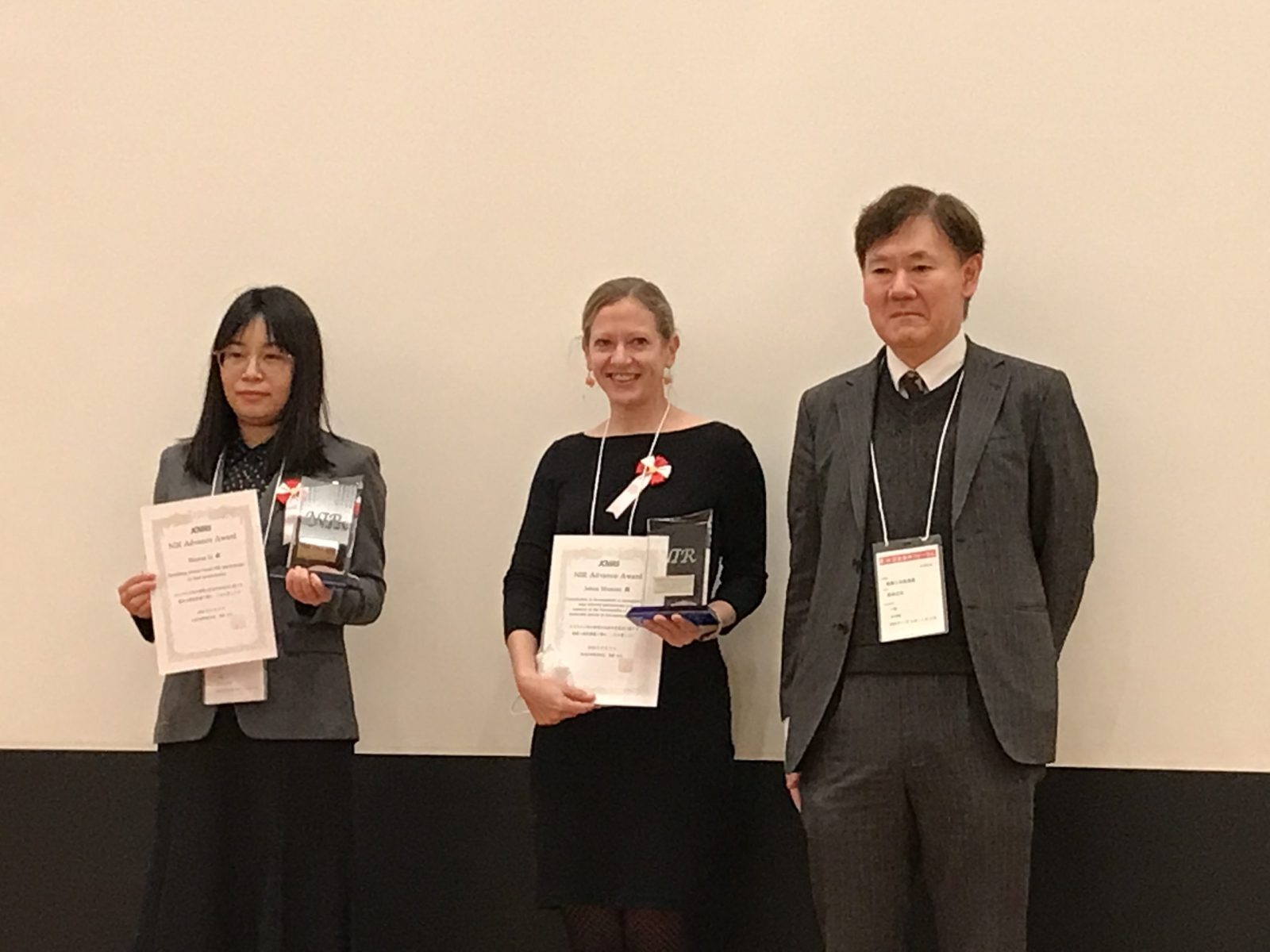
    Figure 1. Associate Professor Jelena Muncan, at the NIR Advance Award ceremony

    We are very pleased to announce that Associate Professor Jelena Muncan received the NIR Advance Award from Japanese Council of Near Infrared Spectroscopy for her contribution to development of aquaphotomic near infrared spectroscopy and research of the functionality of water molecular species in bio-aqueous system. The Award ceremony was held at the 38th Near Infrared Forum at Tokyo University, Japan, on November 17th, 2022.

    This is the second time our laboratory received such prestigious award. Professor Roumiana Tsenkova also received the award in 1998.

    For Jelena, who has been doing research on Aquaphotomics in Japan for more than five years, and for our laboratory, it is a great pleasure to receive the Japanese award in recognition of her contribution.

    In the award lecture, she presented the history of Aquaphotomics research, the novelty and originality of this scientific field, the latest discoveries and advancements. Using visually very appealing materials she presented some of her latest research results, released this year, about the changes in water molecular structure in strawberries*1 and lettuce*2 during refrigerated storage and connected the same findings with how water behaves during cement hydration*3. While it may seem incredible that those phenomena have something in common, her lecture clearly demonstrated the strong power of aquaphotomics for exploration of versatile biological and aqueous systems.

    Figure 2. The Chairman of Japan Council for Near Infrared Spectroscopy, Prof. Dr Masaoo Takayanagi presenting this NIR Advance Award to Jelena Muncan

    In closing of her talk, Jelena expressed that she was not only grateful, but deeply moved by this award. She said that this will probably be her dearest award in the entire life, because it comes from Japan, a country which she loves the most, and which enabled her to work and develop as a scientist. She promised that she will continue to grow and develop and contribute to science and especially to the development of young generations of scientists in Japan.

    *1: Muncan, J., Anantawittayanon, S., Furuta, T., Kaneko, T., & Tsenkova, R. Aquaphotomics monitoring of strawberry fruit during cold storage–a comparison of two cooling systems with and without electric field. Frontiers in Nutrition, 3018. https://doi.org/10.3389/fnut.2022.1058173

    *2: Vitalis F., Muncan J., Anantywittayanon S., Kovacs Z. Tsenkova, R., Aquaphotomics Monitoring of Lettuce Freshness During Cold Storage (submitted for publication)

    *3: Muncan, J., Tamura, S., Nakamura, Y., Takigawa, M., Tsunokake, H., & Tsenkova, R. (2022). Aquaphotomic Study of Effects of Different Mixing Waters on the Properties of Cement Mortar. Molecules27(22), 7885. https://doi.org/10.3390/molecules27227885

    Figure 3. NIR Advance Award Presentation

    For more information about the NIR Advance Award, please visit the website of Japan Council for Near Infrared Spectrocopy.

    Stay tuned for her further endeavors!

  • Aquaphotomics Study on Strawberry Storage Could Change How We Look at Produce Storage

    Aquaphotomics Study on Strawberry Storage Could Change How We Look at Produce Storage

    Who doesn’t love a good strawberry? Whether sliced and sugared over cake, dipped in chocolate, cooked into preserves, or eaten right out of the carton (rinsed first, of course), strawberries are a popular choice all around the world. In 2016, 9.2 million tons of strawberries were sold globally, which is significantly more berries than the year before1. The increase in berry consumption is forecasted to continue to increase.

    However, an estimated 14% of food produced globally “is lost between harvest and retail”, and 17% goes to waste in households, food service, or retail operations2. Many estimates report produce waste as a large portion of the global food waste, some stating as much as half of fruits and vegetables produced. With our increasing concern about sustainability, food security, and supply issues, it is increasingly relevant to evaluate the effectiveness of our food storage practices.

    One recent study by the Aquaphotomics Research Field of the Graduate School of Agricultural Science of Kobe University, Kobe, Japan and Nichiei Intec Co., LTD., Tokyo Japan has sought to do just that. Researchers used aquaphotomics and near-infrared spectroscopy (NIRS) to track changes in strawberries during cold storage to better understand the mechanics of food freshness and to compare standard commercially available refrigerators with “super cooling refrigeration” which create an electromagnetic field that assists in food preservation.

    In the study, strawberries were purchased at the local supermarket, transported to the laboratory, and distributed onto paper plates. The plates were divided into two sample groups, each comprised of 24 berries, and stored in one of two commercially available refrigerators—a standard refrigerator (CF) and a super-cooling refrigerator (SCF) equipped with an electric field generator.  

    Both refrigerators were set to 0 degrees Celsius with a relative humidity of 90%. The samples were stored without any cover, packaging, or coating to mimic how the standard consumer would store berries. The NIR spectra collected from the front and back of each berry over 15 days and analyzed the spectra in the range 1,300-1,600 nm. This range corresponds to the first overtone of water and so far is mostly used for studying the water molecular structure of bio-aqueous systems.

    Researchers observed the SCF delays the decay process of the berries. Although both samples showed weight loss associated with evaporation of water, which is a major factor in fruit deterioration, there was significantly less weight loss each day in the SCF-stored berries.

    Stark differences were observed in bands that describe highly active, weakly-bonded water species (like vapor), free water, quazi-free water, and strongly-bound water (associated with polysaccharides). The absorbance changes observed suggest that in the CF, berries lost more water initially, which caused normal metabolic processes to decrease, and then gained more bulk water while losing strongly bound water sooner, which causes fruit softening. In the SCF berries, this process still occurred, but it was delayed by approximately 3 days.

    Aquagram Comparison betwee CF and SCF

    Aquagrams of strawberries showing changes in water molecular matrix of the fruit flesh during 7 days of storage in: (A) Control fridge (CF) and (B) supercooling fridge3.

    During their analysis, researchers identified four bands related to hydrogen-bonded water which could potentially be important enough to be made into widely-used water matrix coordinates (WAMACs). They created predictions of time spent in storage that were accurate for both type of refrigeration with about 2 days of error. This clearly shows that aquaphotomics and NIRS could be used to predict strawberry freshness non-invasively and non-destructively. And most importantly, refrigerators with this new freezing technology may also reduce the need for special packages, thus they have the potential to reduce food waste globally through each part of the food supply chain.


    Reference

    1. Sabinet African Journals. “Global strawberry market: key findings and insights.” (2018). https://journals.co.za/doi/pdf/10.10520/EJC-ff07a7892

    2. United Nations. “International Day of Awareness on Food Loss and Waste Reduction.” (2022) https://www.un.org/en/observances/end-food-waste-day

    3. Frontiers Frontiers in Nutrition. “Aquaphotomics monitoring of strawberry fruit during cold storage – A comparison of two cooling systems.” (2022). https://doi.org/10.3389/fnut.2022.1058173

  • Aquaphotomics Study Shows Music Can Change Water’s Molecular Structure

    Aquaphotomics Study Shows Music Can Change Water’s Molecular Structure

    We all know how influential sound can be to us—just think about the baby crying two seats down, the neighbor learning saxophone, the live band performing on the plaza, the playlist you listen to while working out, or the screech of a fork dragging across a plate. Sounds, whether music or noise, affect us in more ways than we realize.

    Scientists from the Yunosato Aquaphotomics Lab in Wakayama, Japan and the Aquaphotomics Research Department at Kobe University in Hyogo, Japan recently used aquaphotomics (a novel omics discipline studying water-light interaction) and near-infrared spectroscopy (a spectroscopic method that uses the near-infrared region of the electromagnetic spectrum) to study the effects of sound on water. They discovered the impact of sounds on water systems may run deeper than anyone thought.

    Previous studies have shown that playing sounds at different frequencies can influence molecules, cells, and organisms. For example, sound can affect the growth, metabolism, and vulnerability of microbes to destruction by antibodies. It can register as a stressor for plants, triggering genetic and stress-response processes effectively enough to keep the plants alive longer than usual without water. Sound has been shown to affect food-intake neural controls in rats, and it can be used to lower the blood pressure of humans diagnosed with high-blood pressure. At the right frequency, sound can even affect our DNA. Based on the results of this study, it looks like sound can affect the “DNA” of water, too.

    A core concept in aquaphotomics is that the water behaves as “collective mirror” for matter and energy. When influenced by internal or external factors, water’s molecular structure changes. Since these changes can be observed by measuring and comparing the water’s electromagnetic (EMG) spectrum before and after or during the influence, water can be used as a sensor of sorts.

    In order to characterize the changes sound caused in the basic physical and chemical properties of water, scientists had Japanese pianist and composer, Acoon Hibino, play music at 432 Hz and 440 Hz, separately, on a Yamaha Motif XF8 synthesizer. They channeled Mr. Hibino’s performance through two Bose L1 compact stereo speakers focused at samples of pure water and mineral water. After several minutes, they measured the electromagnetic spectrum of the samples and isolated the absorbance bands associated with free water molecules, strongly-bonded water molecules, trapped molecules, solvation shells, and other water molecular species. They then compared the bands of the sample groups with those measured from pre-music control groups.

    To compare the spectrums, the scientists created “Aquagrams”. Aquagrams are radial graphs depicting the water spectral patterns of interest at specific bands of the spectrum. According to observed changes in the aquagrams, temperature, salinity, and conductivity, it was concluded that sound stimulated changes in hydrogen bonding that stabilized the samples against environmental influences. More specifically, the 432 Hz frequency promoted crystallization, and the 440 Hz frequency had a weaker and opposite effect enhancing the evaporation and solubility.

    Since the frequencies used affected the two types of water samples in consistently different ways, scientists believe the effect of sound on water is frequency- and water- dependent. If it is, there is potential for scientists to use sound and spectroscopy to differentiate between samples and to apply this principle differently to different water-systems. This study shows that sound can be used to re-organize the bonds in water-based systems.

    For practical applications, these findings are substantial, because there are countless water-based systems in our world. In the medical field alone, the potential for treatment innovation is enormous. Our bodies are a combination of multiple types of water-based systems, and since restructuring or affecting those systems can be used to treat many ailments and illnesses, the results of this study give promising evidence that sound-based therapies can be used in new ways as medical treatments. Since music-based interventions are extremely non-invasive and inexpensive, the breadth of potential for the application of sound-based therapies is as incredible as it is invaluable.

    Read more: Pilot Aquaphotomic Study of the Effects of Audible Sound on Water Molecular Structure

  • Farewell to 2022 – Aquaphotomics Bōnenkai Party

    Farewell to 2022 – Aquaphotomics Bōnenkai Party

    Webinar recording


    Dear Friends,

    In Japan there is a beautiful tradition to have a party at the end of the year. It is called “Bōnenkai” and it is a drinking party where typically friends or co-workers get together to have some drinks and forget all the woes and troubles of the past year enjoying each other’s company.

    It is our pleasure now, to invite you to come to our last webinar this year, Farewell to 2022 – Aquaphotomics Bōnenkai Party which will take place on 2022/12/23 (Friday), 5PM JST (9AM CET). The webinar will be held using Zoom platform as usual; free for all who wish to participate. All you need to do is sign up for attendance using the form below.

    In this webinar Assoc. Prof. Jelena Muncan will give an overview of the work done during 2022, the major achievements and new discoveries, and Prof. Roumiana Tsenkova will talk about the future plans. And there is a special surprise this year! Aquaphotomics Research Department and Aquaphotomics Society will be presenting an award for the scientific publication which made a significant contribution to our development in the year 2022! The name of the winner is secret and it will be only revealed at the webinar (even the winner doesn’t know)!

    In the spirit of Bōnenkai party let’s remember together the best moments of 2022 and celebrate our achievements and discoveries! We are looking forward to seeing you at the Aquaphotomics Bōnenkai Party! Don’t forget to bring your favorite drink!


    WEBINAR: Farewell to 2022 – Aquaphotomics Bōnenkai Party 

    ~ Webinar Program ~

    Opening of the webinar and introduction by Prof. Roumiana Tsenkova

    “Aquaphotomics achievements and discoveries in 2022” by Assoc. Prof. Jelena Muncan

    Road ahead – Concluding speech by Prof. Roumiana Tsenkova

    ~  Webinar Schedule ~

    Time & Date: 2022/12/23 (Friday)

    Starts at:   Japan Time (JST) 5:00 PM

                      Central European Time (CET) 9:00 AM

    Ends at:     Japan Time (JST) 6:00 PM

                       Central European Time (CET) 10:00 AM