慶應義塾大学医学部 と サントリーグローバルイノベーションセンター株式会社
アクアフォトミクスは、非侵襲的な近赤外分光法を用いた水の包括的解析です。溶液や身体を近赤外線でスキャンすることで、水分子のダイナミクスを明らかにする情報を得ることができます。私たちは、ミネラルウォーター、尿、皮膚に関する研究を通じて、水のダイナミクスと健康の関係を理解することを目指しています。
アクアフォトミクスは、このプロジェクトの共同研究者である神戸大学のツェンコヴァ教授によって開発されました。
慶應義塾大学医学部 と サントリーグローバルイノベーションセンター株式会社
アクアフォトミクスは、非侵襲的な近赤外分光法を用いた水の包括的解析です。溶液や身体を近赤外線でスキャンすることで、水分子のダイナミクスを明らかにする情報を得ることができます。私たちは、ミネラルウォーター、尿、皮膚に関する研究を通じて、水のダイナミクスと健康の関係を理解することを目指しています。
アクアフォトミクスは、このプロジェクトの共同研究者である神戸大学のツェンコヴァ教授によって開発されました。
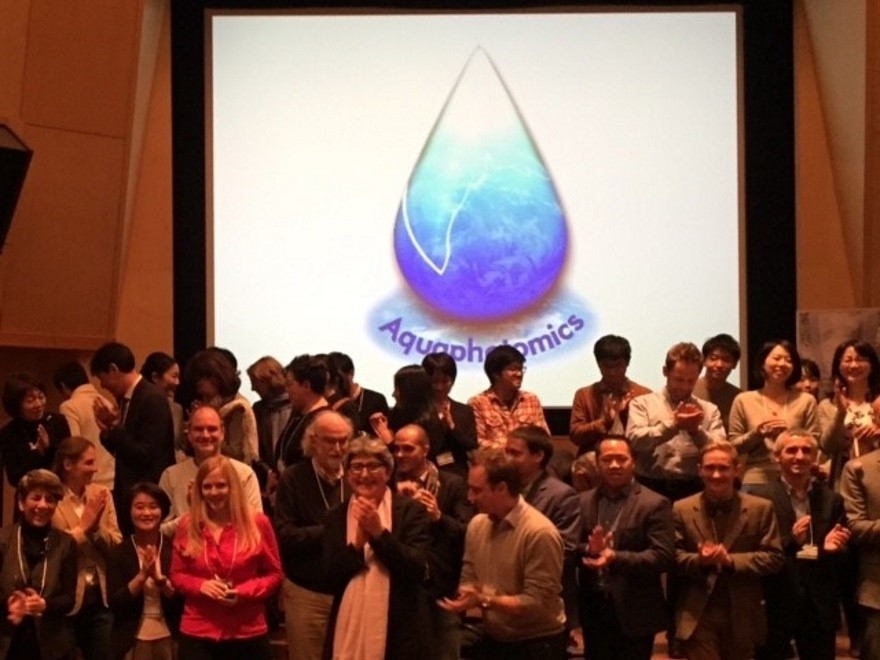
第2回アクアフォトミクス国際シンポジウムは、2016年11月26日から29日にかけて日本の神戸大学で開催されました。
この会議には、あらゆる大陸の10か国以上から、異なる分野に属する70名を超える研究者が参加しました。
会議は、現在アクアフォトミクス科学が触発している多様なプロジェクトや出版物を反映するものとなりました。

There is a little group in the middle of Europe consisting of three young research fellows having devotion towards NIR spectroscopy and the related instrumentation, data evaluation techniques, software and programming.
One of the fellows, Dr. Bernhard Pollner <bernhard.pollner@mac.com> from Austria, graduated to MD at Innsbruck Medical School in 2004. He has been working as an independent researcher consultant in the field of water science since his graduation. During his scientific activities Bernhard acquired a good knowledge of many different methods in this field. One of his special interests lies in complex algorithms and high-throughput computations using R, a free software environment for statistical computing and graphics. Since his three months stay in Professor Roumiana Tsenkova’s laboratory, at Kobe University, Japan, together with the other two fellows Zoltan and George, he worked on various projects in the field of NIRS and Aquaphotomics. He is currently a PhD student at University of Innsbruck, Austria.
George Bazar, PhD <bazar@correltech.hu>, one of the Hungarian fellows, started learning about NIRS as a PhD student in Professor Robert Romvari’s laboratory at Kaposvar University in 2005. Later he was mentored by Professor Karoly Kaffka who motivated him to attend the next IDRC in Chambersburg. At this meeting in 2008 George met many pioneers of NIRS, among them the famous Karl Norris considered to be the father of NIR spectroscopy, and Roumiana Tsenkova who introduced him Aquaphotomics. Thanks to this acquaintance, after defending his PhD in 2011, he successfully applied for a JSPS postdoc position at Professor Tsenkova’s laboratory, where he spent two years. Half a year after his arrival Zoltan joined the same team, and they started working together on different research topics in the field of Aquaphotomics. George returned to Hungary in 2014 and since then he has been working at Kaposvar University as Research Fellow. His valuable work has been awarded by the Postdoctoral Fellowship Grant in the frame of the New National Excellence Program of the Hungarian Government.
The second Hungarian fellow, Zoltan Kovacs, PhD <kovacs@correltech.hu>, started his scientific activity in the field of instrumental taste sensing and defended his PhD diploma in 2012 in the topic of the problems with electronic tongue measurements. He gained knowledge about experimentation, uni- and multivariate data analysis related to the above mentioned topics, which gave him the opportunity to apply to Professor Tsenkova’s laboratory where he learned the basics of NIRS and Aquaphotomics techniques working together with George and later with Bernhard. Zoltan returned to Hungary in 2016 and works at his home university, Szent István University, Budapest, as assistant professor and beside his original field he makes great efforts to do research in the field of NIRS and Aquaphotomics. His work has been awarded by the Janos Bolyai Postdoctoral Research Grant given by the Hungarian Academy of Sciences.
George and Zoltan realized the high importance of the stability of the spectrometers when the Aquaphotomics approach was applied and started to pay attention to the stabilization of the experimental arrangements, widening the knowledge of Aquaphotomics with their observations. While Bernhard and Zoltan have been working to develop dedicated software for Aquaphotomics calculations since they met in Japan.
Bernhard, George and Zoltan continuously look for the opportunities to extend the research of NIRS and Aquaphotomics and they keep working on research projects with Professor Tsenkova at Kobe University, but they are willing to build collaborations with other groups, too.
Beside the academic presence they have founded a consulting company in Hungary, Correltech Bt., to provide a more flexible way of collaboration of researchers related to NIR spectroscopy and other correlative analytical technologies worldwide. They all were invited to the scientific team of Tellspec Inc., an innovative data company offering real-time food analysis with a small handheld NIR spectrometer connected with a cloud-based analysis engine.
These research fellows aim to build a wide international scientific cooperation in NIR spectroscopy, multivariate data analysis, and in the field of possible applications. Therefore, they are ready to support cooperation with their knowledge in instrumentation, experimentation, data evaluation, software and programming.
Contact: Zoltan Kovacs <kovacs@correltech.hu>
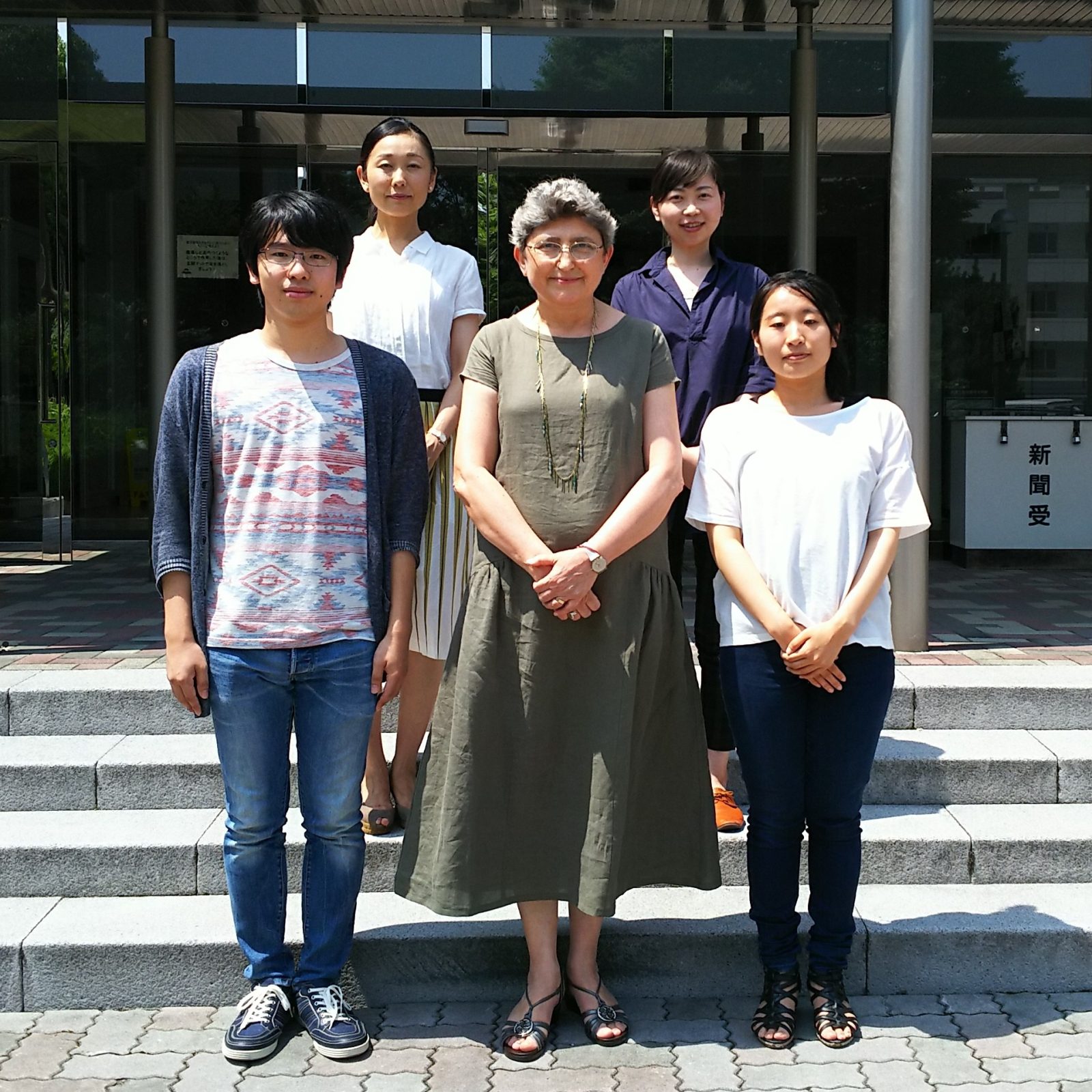
NIRS Laboratory is the cradle of Aquaphotomics, a new scientific discipline, proposed by Professor Roumiana Tsenkova in 2005. The Laboratory is working on various applications and new developments in the area of near infrared spectroscopy (NIRS) as non-destructive technology for monitoring and diagnosis of biological and aqueous systems. Qualitative and quantitative analysis applied in biological- and food-related research and technology, as well as understanding new phenomena related to water in biology are the main area of interest. We proposed a new scientific area called Aquaphotomics as a new member in the “omics” area devoted to examine “all about the interaction between water and light” and present spectroscopy as an important tool to study the functionality of water in Life science.
Website: http://nirslab.org/
Jelena Munćan started her research career at Biomedical Engineering Department, University of Belgrade in Serbia. After graduating at Department of Manufacturing Engineering in 2008, her interest in artificial intelligence and neurprosthetics led her to pursue PhD in Biomedical engineering, with the initial focus on nanotechnologies and how they can help early diagnostics and/or therapy in the case of neurodegenerative diseases.
During her early years as a PhD student she meets Professor Dr Tsenkova, and starts initial explorations in aquaphotomics, with works on characterization of water, aqueous solutions of fullerol and other fullerene based nanomaterials, as well as cosmetic and therapeutic products based on fullerene. The framework of Aquaphotomics inspired her to search for better understanding of water phenomena and how it can be implemented for the purposes of biomedical diagnostics and therapy, as well as better understanding of the role of water in biological organisms.
After completing her PhD thesis on the topic of non-invasive glucose sensing, recognizing the potential and vast possibilities of aquaphotomics in biomedical science, she widened her research area to characterization of hydrogel based contact lenses, cancer and diabetes diagnostics, and efficacy of dialysis therapy. During this period, first as an Assistant, and then as an Assistant Professor at the Biomedical Engineering Department, Faculty of Mechanical Engineering, University of Belgrade she introduced some additions to the standard curriculum offering the courses such as BioStatistics and Data mining, Spectroscopy methods and techniques as well as a new PhD course entirely devoted to Aquaphotomics.
In 2017 she was awarded by Japanese Society for Promotion of Science, and after completing her 2-year postdoctoral fellowship on mastitis diagnosis in dairy, she decided to continue to live in work on aquaphotomics in Japan, where is currently employed as a Specially Appointed Assistant Professor at newly established, Aquaphotomics Research Department, Kobe University.
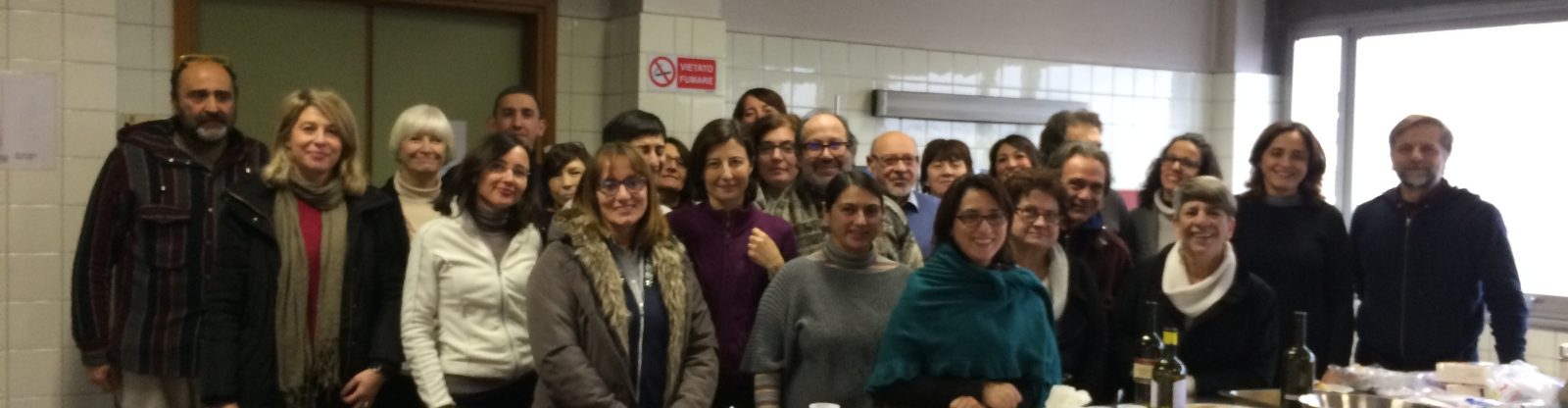
The research activities are focused on the studies of biological, biochemical and commodity aspects in the agricultural field.
The principal skills are:
Website: http://iaa.entecra.it/
Contact: annamaria.stellari@crea.gov.it
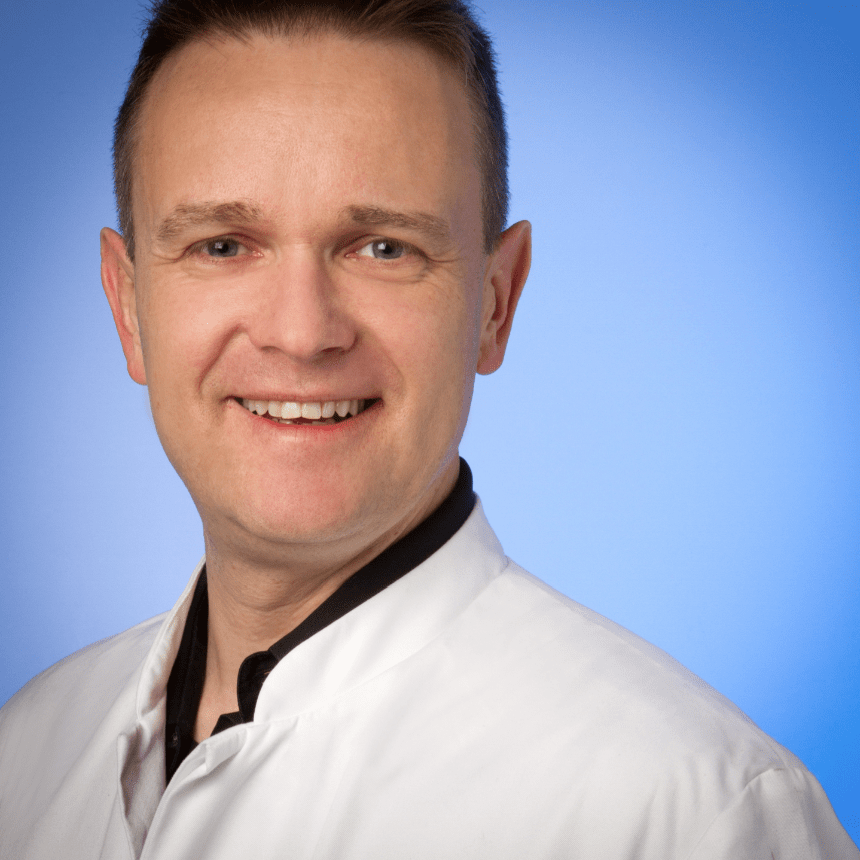
Huck Lab is developing novel analytical approaches based on molecular spectroscopy (NIR, MIR, 2D-COS, Raman) with main focus on near-infrared (NIR). The lab has excellent knowledge in a broad field of analytical methodologies including chromatography/electrophoresis (LC, µ-LC, GC, CE, CEC), mas spectrometry (ESI, Q-TOF, MALDI) and selective sample enrichment procedures (SPE) used as a reference method. Beside multivariate data analysis, quantum chemical calculations, also bioninformatics is applied to get deeper insights into the diversity and inter-relation of spectral data. Samples of interest taken into consideration comprise biomolecules including also phyto relevant active ingredients and different materials.
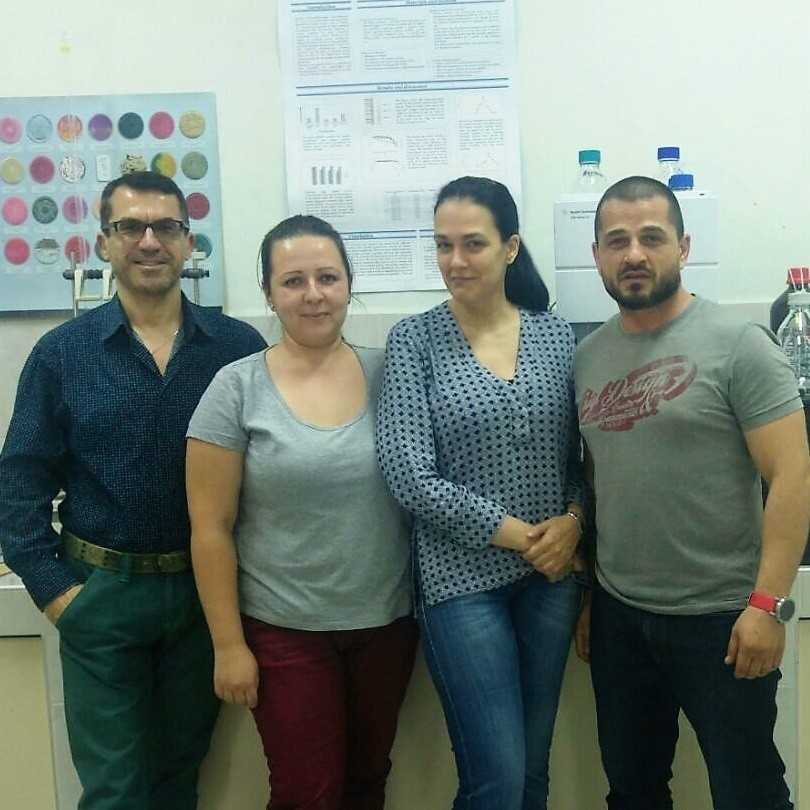
BioAquaLab’s research is focused on the application of Aquaphotomics in the field of biotechnology and food technology. Our group is working on the development of NIR-spectral WASP libraries of food pathogens and lactic acid bacteria (LAB) and an assessment of the potential of the NIR spectroscopy and aquaphotomics as a precise, swift and non-invasive method for the observation of the growth and metabolic activity of probiotic and functional strains; detection of food pathogens in food products by identifying specific bacterial aquaphotomic models; application of aquaphotomics for evaluation of survival and metabolic activity of functional LAB and probiotic bacteria during the production and storage of food; utilization of aquaphotomics to assess the freshness and authenticity of food products; utilization of aquaphotomics to assess the antioxidative potential of food products and by-products from food industry; utilization of aquaphotomics to analyse food quality, detection of authenticity violations, adulterations and imitation products.
Contact: abtkrst@hotmail.com